If you’ve spent any time looking into bifacial solar panels, you’ve probably heard two terms thrown around a lot: glass-glass and glass-backsheet. As someone who’s spent years working in the bifacial solar supply space, I get how easy it is to mix these two up—especially when a lot of jargon gets tossed around in sales pitches or tech forums. At the end of the day, the main difference boils down to what’s on the backside of the panel, but that tiny detail ripples into everything from performance in harsh weather to how long the panel’ll last, and even how much it costs to make. Let’s break this down like we’re chatting over a coffee (no stuffy lab talk, promise). Bifacial Solar Panels
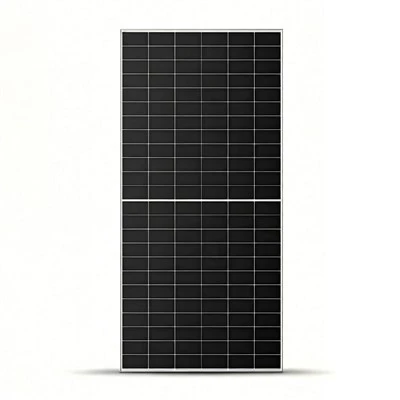
First, let’s start with the basics: bifacial panels, unlike regular monofacial ones, generate power from both sides. The front side is the usual glass that faces the sun, and the back side was originally a thin plastic backsheet to seal the cells from moisture and gunk. But over time, some makers swapped that plastic out for another sheet of glass, and that’s where glass-glass comes in.
Let’s talk materials first, because that’s where the real split is. Glass-backsheet panels have two main layers besides the silicon cells: the front is low-iron glass (same as any solar panel), and the back is a polyethylene terephthalate (PET) or fluoropolymer backsheet. That backsheet is multi-layered, usually three thin sheets: two plastic layers to insulate the cells, and a middle layer to block water vapor. Glass-glass? Both sides are that same low-iron solar glass—no plastic anywhere. At first glance, that might not sound like a huge change, but it changes everything.
Now, the big one most installers care about: performance. Bifacial panels make extra power from albedo—light that bounces off the ground, snow, or even a white rooftop onto the back. How much that extra power adds up depends on the panel’s back side. Glass-backsheet panels have a backsheet that’s semi-reflective, right? It lets some light through to the cells but not all, because it’s designed to block moisture. Glass-glass has a fully transparent back, so almost all the albedo light hits the rear of the cells. That means in high-albedo setups—like fields with white gravel, snow cover, or even light-colored roof tiles—glass-glass can put out 5-15% more power than glass-backsheet, depending on conditions. But wait, that’s not always the case. If you’re installing on a dark asphalt roof with almost no albedo, the gap shrinks, and sometimes even flips. The backsheet’s light-blocking isn’t a bad thing there, because it keeps extra heat away from the cells.
Heat is another big factor. Solar panels lose efficiency when they get too hot, and the material on the back affects how well they cool. Glass is a way better thermal conductor than plastic backsheet. So a glass-glass panel draws heat away from the cells faster, keeping them 2-5°C cooler than a glass-backsheet in the same sun. That tiny temperature gap adds up over a year: every 1°C drop in cell temperature means roughly 0.5% more efficiency, so that’s another 1-2% gain for glass-glass on top of the albedo bonus. But here’s the catch: that glass is heavier. A glass-glass panel is 1.5 to 2 times heavier than a same-sized glass-backsheet. For residential roofs, that’s a dealbreaker if the structure can’t support the extra weight. For ground-mount systems, that’s less of a problem until you factor in shipping and installation costs—more weight means higher freight fees and sometimes more labor to lift it into place.
Durability is where the two really part ways, especially if you’re in a harsh environment. Let’s start with backsheets: they’re thin, but they’re made to resist UV light, moisture, and temperature swings. But they’re not invincible. After 10-15 years, UV rays from the sun can break down the plastic layers, leading to what’s called backsheet degradation—small cracks that let water or dirt seep into the panel, corrode the cells, and kill performance. That’s why most regular monofacial panels have a 25-year warranty, and glass-backsheet bifacial often lands around that same mark, maybe a little less if it’s exposed to extreme elements.
Glass-glass, though? The glass is almost indestructible. It doesn’t break down from UV, it blocks 100% of moisture (no plastic layers to crack), and it stands up better to hail, wind, and extreme temperature changes. I’ve seen glass-glass panels in desert climates with 110°F days and 40°F nights that still look brand new after 20 years, while some glass-backsheet panels in the same area start to show yellowing on the backsheet after 12 years. That translates to a longer warranty, too—most glass-glass bifacial panels come with 30-year performance warranties, and some even 40, because the material holds up way better. But again, the extra glass is a downside if you’re dealing with really heavy snow loads or seismic zones? Wait, no—actually, glass’s rigidity makes it more resistant to warping in high winds than flimsy backsheet, but that extra weight can be a problem for roof mounting.
Cost is another factor, and it’s split between upfront and long-term. Upfront, glass-glass panels are 10-20% more expensive than glass-backsheet of the same wattage. The extra glass adds to material costs, and the heavier panels cost more to manufacture and ship. But over time, that higher upfront cost can pay off. Because glass-glass lasts longer, makes more power, and has less degradation, the levelized cost of energy (LCOE)—the total cost per watt over the panel’s lifetime—ends up lower for glass-glass in most cases, especially for ground-mount systems with good albedo. For residential rooftop installs, though, the higher upfront price tag and weight might make glass-backsheet the better pick. If your roof is old or already near its weight limit, you can’t swing glass-glass anyway, no matter the long-term savings.
Wait, let’s not forget niche use cases. Glass-backsheet panels are still the go-to for a lot of small jobs. They’re lighter, easier to handle, and cheaper upfront. For example, if someone’s putting a small 5kW system on a shingled roof that only supports 10 lbs per square foot, a glass-glass panel that’s 20 lbs per square foot is way too heavy, so glass-backsheet is the only option. But for large utility-scale farms, the math usually works for glass-glass: even if you spend 15% more upfront, the extra power and longer lifespan add up to way more profit over 30 years. Also, glass-glass panels are better for coastal areas, where salt spray is a big issue. The plastic backsheet can degrade faster from salt, but the glass is almost impervious to it, so they last longer there.
I’ve had customers come to me confused, asking which is better, and my answer is always: it depends on the use case. If you’re doing a big ground-mount farm in an area with lots of snow or light ground cover, go glass-glass. If you’re doing a small residential roof with limited weight capacity, go glass-backsheet. There’s no one-size-fits-all, and that’s why it’s important to talk through your specific setup before picking.
A lot of people also mix up bifacial panels with other types, so let’s clear that up too. Both glass-glass and glass-backsheet are bifacial, meaning they work from both sides—so don’t let someone tell you only glass-glass is truly bifacial. The backsheet just limits how much light the back can use. Monofacial panels only have a front glass, and a backsheet that blocks all light, so they only generate from one side. That’s a whole other topic, but just to avoid confusion.
Now, let’s get into some real-world examples I’ve seen. Last year, we sold 500 glass-glass panels to a utility farm in Minnesota, where winter snow cover means super high albedo. Their performance data after one year showed a 12% higher yield than their old glass-backsheet panels from a previous supplier. On the flip side, a customer who put glass-backsheet panels on a white rooftop in Arizona saw almost 8% extra power from albedo, which was still great, just not as much as the glass-glass we sold to another customer in the same state.
What about downsides to glass-glass? We mentioned the weight, but another one is that it’s more brittle if it’s not handled right. Installers have to be careful when lifting glass-glass panels, because they can crack if dropped or bent too far, whereas glass-backsheet is a little more forgiving. That can add a small cost to installation if you have extra damage, but most installers adapt pretty quickly.
Another point: recycling. A lot of people care about sustainability now, and glass is way easier to recycle than plastic backsheet. When a panel reaches the end of its life, the glass can be melted down and reused for new solar panels or other glass products, while the backsheet’s mix of plastic materials makes it way harder to separate and recycle. That’s a big plus for glass-glass, especially for projects that have green goals.

So to wrap this up, the key differences are:
- Back layer: glass-glass has two glass sheets, glass-backsheet has one glass and one plastic sheet.
- Performance: glass-glass gets more power from albedo, cools better, so higher yield.
- Durability: glass-glass resists weather, UV, and moisture way better, longer lifespan.
- Weight & cost: glass-glass is heavier and more expensive upfront, cheaper LCOE long-term; glass-backsheet is lighter, cheaper upfront, shorter lifespan.
Monocrystalline Solar Panels At the end of the day, as someone who’s been in the bifacial solar game for years, I’d say neither is “better”—just suited for different jobs. If you’re planning a project, whether it’s a small residential roof or a large utility farm, the best way to pick is to look at your location, your structure’s capacity, and your long-term energy goals. If you’re not sure which fits your setup, or you want to chat through specs for your specific project, feel free to reach out to us. We’re here to help you get the right panel for your needs, no sales pitch fluff, just honest advice based on real installs and performance data.
References
- Solar Energy Industries Association (SEIA). (2023). Bifacial Solar Panel Technology: Performance and Durability Report.
- International Energy Agency (IEA). (2022). Levelized Cost of Energy for Photovoltaic Systems.
- Journal of Solar Energy Engineering. (2021). Comparative Analysis of Glass-Glass and Glass-Backsheet Bifacial Panel Performance in High-Albedo Environments.
- NREL (National Renewable Energy Laboratory). (2023). Bifacial PV Module Testing Protocols and Results.
- Photovoltaics International. (2022). End-of-Life Recycling Potential for Glass-Glass vs. Glass-Backsheet Solar Panels.
Dongguan MylAn International Trade Co., Ltd.
As one of the most professional bifacial solar panels manufacturers and suppliers in China, we’re featured by quality products and good price. Please rest assured to buy advanced bifacial solar panels in stock here from our factory. Welcome to contact us for pricelist.
Address: Room 401, Building 5, No.7, Machong Section, Shuixiang Avenue, Machong Town, Dongguan City, Guangdong Province
E-mail: salee@mylansolar.com
WebSite: https://www.mylansolar.com/
