Hey there, if you’ve ever been knee-deep in a manufacturing, processing, or material handling gig, chances are you’ve wondered about mixing pieces of equipment you already have to save cash and streamline workflows. A question that pops up all the time in our DMs (and at trade shows, let’s be real) is this: Can industrial air blowers be used for pneumatic conveying? As a supplier who’s spent the last decade troubleshooting this exact question for clients, I’m gonna break this down straight—no corporate jargon, no fluff, just what actually works, what doesn’t, and when you’d even want to try. Industrial Air Blowers
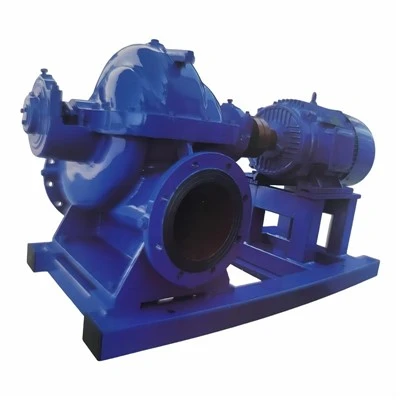
First, let’s cut the definition fluff because half the confusion here comes from misnaming parts. Industrial air blowers aren’t the same as industrial fans, and they’re not the same as compressors—important distinction. Fans move large volumes of air at low pressure (think: cooling a workshop), blowers move smaller volumes of air at higher pressures (still low, relative to compressors, but enough to push or pull stuff), and compressors squeeze air into a tiny volume at super high pressure. Pneumatic conveying, for the uninitiated, is moving dry, bulk materials (plastic pellets, grain, sugar, wood chips, even plastic waste) through sealed pipes using air. It’s way cleaner than moving stuff with belts or buckets, way less dust, way less spillage.
So back to the core question: Yes, but only the right kind of blowers, for the right kind of materials. A lot of people grab the first blower they own or see online and wonder why it’s not moving anything, and that’s where the mess happens. Let’s start with the two main types of pneumatic conveying, because that’s the big pivot here—dilute phase vs. dense phase. That’s make-or-break for blower use.
Dilute phase is the most common type for most small to medium operations. In dilute phase, the material is suspended in the air stream, moving at high velocity (usually 30 to 100 feet per second) through the pipe. It’s called dilute because there’s way more air than material—like, 20 to 100 pounds of air for every pound of material. This works great for lightweight, free-flowing stuff: plastic pellets, sugar, grain, wood shavings, even powder that doesn’t clump. Here’s where industrial air blowers shine. Blowers produce the consistent, moderate pressure (usually 1 to 15 psi) needed to pull or push that high-velocity air.
Wait, let’s talk about the two setups: positive pressure (push) and negative pressure (vacuum, pull). Blowers work for both. For positive pressure, you mount the blower on the end of the pipe, pushing air through the line and carrying material with it into a storage bin or processing machine. For negative pressure, you put the blower on the end that pulls air from the source, creating a vacuum that sucks material into the pipe. Both are totally doable with the right blower.
Now, what kind of blower? If you’re in the market, you’ll see two main blower types for this: centrifugal blowers and positive displacement blowers. Centrifugal blowers are the workhorses for many small dilute phase jobs. They’re efficient for medium to high volume air flow, which is perfect for moving light materials at the velocities dilute phase needs. Positive displacement blowers (sometimes called PD blowers) are a bit beefier—they move a set volume of air per revolution, so they’re better for applications where you need consistent pressure, even if the load changes. A lot of our clients use PD blowers for tasks like conveying plastic regrind or grain where the material density can shift a bit, and they don’t want their line slowing down.
But here’s the catch: Dense phase conveying. That’s the other main type, and this is where blowers start to hit limits. Dense phase is for heavy, abrasive, or easily damaged materials—like metal pellets, cement, or fragile food products (think potato chips, roasted coffee beans). In dense phase, the material moves in slugs or plugs through the pipe, not suspended, and it runs at lower velocities (10 to 30 feet per second). That requires much higher pressure—15 to 100 psi. Industrial air blowers just can’t hit that pressure range consistently. They’re built for low to moderate pressure, so trying to use one for dense phase will leave you with a line that moves nothing, or jams constantly. We’ve had clients try this, and it’s a waste of time and material—don’t do it.
Another big factor: material properties. Even if you’re sticking to dilute phase, if your material is super fine, sticky, or prone to clumping, blowers might not cut it. For example, fine cement dust or wet sawdust will stick to the inside of the pipe and cause blockages, even if the blower is strong enough. We’ve had clients switch from blowers to small compressors for these cases, because the higher pressure helps keep lines clear. But if your material is free-flowing, medium weight, and not prone to sticking, blowers are usually cheaper to run and easier to maintain than compressors.
Let’s throw in some real-world examples to make this concrete. A small grain elevator in Iowa we work with was using a fancy compressor for their dilute phase grain conveying, costing them $1,200 a month in electricity. They switched to a 5 HP centrifugal blower we recommended, cut their energy bill by 40%, and haven’t had a jam in two years. That’s the win everyone wants. On the flip side, a company making metal fasteners tried using a blower to move steel shot (the abrasive media they use for cleaning parts) and it kept jamming the line. We told them they needed a small positive displacement compressor, and that fixed it. That’s the kind of trial and error that makes us glad we answer these questions.
Now, let’s talk about the myths out there, because there’s a lot of bad info online. One common myth: “Any blower works for pneumatic conveying.” No. If your blower only moves 50 CFM (cubic feet per minute) of air, it’s not gonna move 1,000 pounds of plastic pellets an hour. You need to match the blower’s CFM and pressure to your system’s length, pipe size, and material type. Another myth: “Blowers are less powerful than compressors, so they can’t move much.” For dilute phase, that’s backwards. Compressors are powerful in pressure, but blowers move way more volume of air, which is what you need to suspend material. That’s why the Iowa grain place worked—they needed lots of air, not lots of pressure.
Another thing to consider: cost. Blowers are way cheaper upfront than compressors, usually by 30-50% for the same airflow. Maintenance is also lower—blowers have fewer moving parts, simpler filters, no oil changes for most models (oil-lubricated are rare these days), whereas compressors need regular oil checks, filter changes, and tank inspections. That adds up over time, which is why so many small to medium operations go with blowers for dilute phase.
But wait, when would you not use a blower? Let’s list those out clearly, so you don’t waste money. 1) If you’re doing dense phase conveying (heavy, abrasive, low velocity material). 2) If your pipe run is longer than 100 feet for heavy material—pressure drops too much with blowers over long distances. 3) If your material is super fine or sticky, and you can’t adjust your process to prevent clumping. 4) If you need to move material that’s fragile and can’t handle the high velocity of dilute phase. That last one is the tricky middle ground—some materials are too fragile for dilute, too light for dense, so you might need a custom setup, not a standard blower.
Now, a quick note on system design. Even if you pick the right blower, a bad pipe setup will mess everything up. Too narrow a pipe? Material velocity will be too high, and you’ll break your product or wear out pipes fast. Too wide? Velocity will drop, and material will jam. We always tell clients to match pipe diameter to their blower’s CFM and the material’s density. Add in proper airlock feeders at the start of the line—those are critical to control how much material goes into the air stream, so you don’t overload the blower. A lot of people skip the airlock and just dump material into the pipe, and that’s when jams happen.
I get it, a lot of you are trying to squeeze every dollar out of your operation, so you’re looking for ways to repurpose what you have. If you already have an industrial blower lying around, do a quick check: what’s its max pressure? If it’s under 15 psi, it’s only good for dilute phase, so test it with a small batch of your free-flowing material first. If it’s over 15 psi, maybe it can work for light dense phase, but test carefully. If you’re buying a new blower, look for models labeled for “pneumatic conveying applications” or talk to a supplier who knows the difference between a cooling blower and a conveying blower—too many no-name suppliers will sell you a blower that works for cooling a generator, not moving grain.
Wait, let’s address a common follow-up question: Can a blower replace a vacuum pump for pneumatic conveying? Sort of. A lot of vacuum setups for small jobs use ring compressors, but a properly sized blower will work as a vacuum puller too, especially for indoor jobs where you don’t want pressure leaks blowing dust all over the factory. We had a client that makes dog food use a negative pressure blower setup to move kibble from processing bins to packaging machines, and it cuts down on dust way more than their old compressor setup. That’s another hidden win—blowers can create a cleaner workspace because they pull air instead of pushing it, so dust doesn’t escape into the plant.
One last thing: wear and tear. Blowers are durable, but they do need regular checks. If you’re moving abrasive materials (like sand, metal shot, regrind), you’ll want a blower with hardened impellers to prevent wear. Standard impellers will wear out fast with abrasive materials, even if the blower size is right. That’s a detail a lot of people miss when they first start out—get the right material for the blower’s parts, not just the right size.
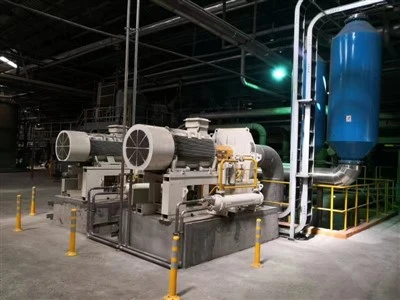
So to wrap this up, the answer to “Can industrial air blowers be used for pneumatic conveying?” is a resounding yes, when done right—for dilute phase, free-flowing materials, with a properly sized blower, correct pipe setup, and matched to your specific material. It works for thousands of operations out there, saves cash, and is easy to maintain. But it’s not a one-size-fits-all solution—if you’re doing dense phase, moving heavy abrasives, or have a tricky material, blowers aren’t the way to go.
Horizontal Multistage Pump If you’re not sure where your operation falls, don’t guess. We’ve helped dozens of clients over the years troubleshoot this exact thing—whether you’re testing a used blower you already have, or looking to buy a new one, we can walk through your material, line length, and workflow to figure out if a blower is the right fit. Hit us up to chat through your needs, no sales pitch, just straight advice.
References
- Phelan, T. (2019). Pneumatic Conveying Design Guide (3rd ed.). Elsevier.
- Industrial Ventilation: A Manual of Recommended Practice. (2021). American Conference of Governmental Industrial Hygienists (ACGIH).
- Blower and Compressor Selection for Material Handling. (2022). Hydraulic Institute.
- Dense vs. Dilute Phase Pneumatic Conveying: Key Differences. (2020). Powder & Bulk Solids Magazine.
Xiaofeng Machinery Technology Co., Ltd.
As one of the most professional industrial air blowers manufacturers and suppliers in China, we also support custom service. Please feel free to wholesale advanced industrial air blowers made in China here from our factory. Quality products and reasonable price are available.
Address: No.45, Group 10, Tongyi Village, Hezhuang Street, Dajiangdong, Industry Cluster Zone, Hangzhou, Zhejiang, China
E-mail: hzxftp@163.com
WebSite: https://www.hzxfmt.com/
