If you’re working in the CNG space, odds are you’ve come across the term “SAE standard for CNG hoses” — and if you’re a buyer, installer, or even a fleet manager, knowing what this actually means can save you from costly mistakes, safety headaches, and downtime. As someone who’s been a CNG hose supplier for years, I get how confusing it can be to sort through all the specs out there, especially when you’re trying to pick the right hose for your trucks, stations, or backup systems. Let me break this down like I would to a regular customer who’s just trying to get something that works. CNG Hose
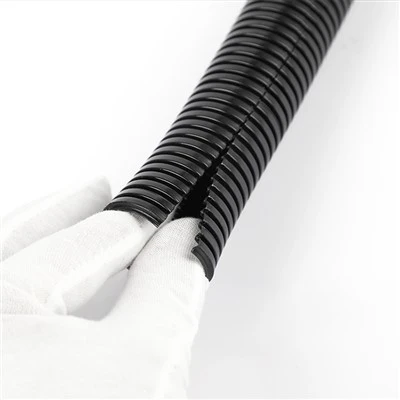
First off, SAE stands for the Society of Automotive Engineers — not some random industry jargon buzzword. They make standards for all kinds of automotive and industrial parts, and their CNG hose specs are one of the most widely used in North America and beyond. The big one you’ll hear about is SAE J1127, but wait — it’s not just a single number; there are updated versions, right? Let’s keep this real: the latest revision as of a few years back is J1127 (2020), and that’s what’s most important now. A lot of older hoses might claim to meet “SAE standards,” but if they’re not on the 2020 revision, they might not hold up to today’s CNG pressures and environmental conditions.
Let’s start with what SAE J1127 actually covers. It’s for both stationary and mobile CNG hoses — so that includes the hoses that connect a fueling dispenser to a truck’s tank, and the ones used in storage systems or small industrial setups. A lot of people mix up hoses for fueling vs. hoses for transport, but this standard covers both. The key here is safety: CNG is compressed natural gas, so it’s under high pressure — usually between 2,000 and 3,600 psi, depending on if it’s Type 1 or Type 2 CNG systems. The SAE standard doesn’t just test pressure resistance; it tests a whole bunch of other stuff that actually matters in the real world.
For example, the hose has to handle extreme temperatures. Let’s be honest: CNG hoses are outside most of the time. In the middle of summer, that hose can bake in 120°F heat, and in winter, it can drop to -40°F. The SAE J1127 test doesn’t just “check if it doesn’t crack” — it cycles the hose through temperature changes thousands of times to make sure it doesn’t get brittle, leak, or fall apart when you need it. I’ve had customers tell me they bought cheap hoses that split in the winter, and that’s exactly why the SAE standard exists: to weed out the stuff that only works in perfect conditions.
Another big one is pressure cycling. Every time you fuel up a CNG vehicle, that hose goes from 0 psi to 3,600 psi a few times. The SAE standard tests how many cycles the hose can handle before it fails — and it’s way more than the average truck will ever go. The latest J1127 requires at least 100,000 pressure cycles for mobile hoses, which is insane when you think about it. That means a properly rated hose won’t blow out after a year of use, even if you fuel up every day. I’ve seen first-hand the difference: hoses that meet SAE J1127 last 3-5 years, while non-rated ones die in 6 months.
Then there’s the stuff you can’t see: permeation. CNG is mostly methane, and methane is a small molecule that can seep through materials if the hose isn’t built right. The SAE standard sets a maximum permeation rate so gas doesn’t leak out — which is a huge safety thing, not to mention it saves you money on wasted fuel. Non-rated hoses can have permeation levels that are way too high, leading to fumes at the dispenser, which is a fire hazard. I’ve had technicians tell me they can smell gas on cheap hoses, and that’s not something you want in a fueling station.
Wait, there’s also SAE J2002 — that’s for CNG hoses used in heavy-duty vehicles, right? A lot of people ask about this one, and it’s actually a subset of J1127, or at least it aligns with the same safety requirements. The big difference is the size and pressure rating for heavy-duty trucks, which might need thicker hose walls or different end fittings. As a supplier, I make sure all my heavy-duty hoses are labeled with both if they fit, but the core is still following the J1127 standard. That’s the baseline — if a hose doesn’t meet J1127, it doesn’t matter what other number it has; it’s not safe for CNG use.
Let me clear up a common misconception: some people think “SAE-approved” is just a stamp, but it’s not. The standard requires third-party testing, too. You can’t just make a hose, stamp “SAE J1127” on it, and sell it. The manufacturer has to send samples to an independent lab to test pressure, temperature, permeation, and all the other specs. And once the hose is in production, they have to keep testing batches to make sure every hose coming off the line meets the standard. That’s why I only sell hoses that have proof of third-party testing — I’ve seen too many vendors cut corners on testing, and that’s a risk I won’t take with my customers’ safety.
Another thing to know: the standard also covers end fittings. The metal connectors on the hose (the ones that hook up to the dispenser and the vehicle) aren’t just random pieces. SAE J1127 specifies the size, material, and crimping process for those fittings. A lot of hose failures aren’t actually the hose itself — they’re the fittings coming loose or leaking because they weren’t crimped right, or they used a metal that corrodes. That’s why when I sell a CNG hose, I include fittings that are already tested and crimped to SAE specs, so the customer doesn’t have to worry about messing that up. I’ve had installers tell me they saved time and headaches by going with pre-crimped, SAE-compliant hoses instead of buying separate hose and fittings.
Let’s talk about when you’d actually need to use an SAE J1127 hose. If you’re a fleet operator with CNG trucks, every state and local jurisdiction has safety rules that require SAE-compliant hoses. A lot of fueling stations also won’t let you connect a non-rated hose to their dispensers because of liability. Even if you’re setting up a small stationary CNG system for backup power, using a non-SAE hose is just asking for trouble — I’ve had a customer’s backup generator spring a leak because they used a regular industrial hose, and it could’ve caused a fire. So it’s not just a recommendation; in most cases, it’s a requirement.
Now, as a supplier, I want to make this easy for you. I don’t overload you with jargon — if you tell me what you’re using the hose for (mobile fueling for delivery trucks, stationary storage, heavy-haul vehicles, whatever), I can tell you exactly which SAE-compliant hose you need. I know how confusing it can be when a vendor says “our hoses meet SAE standards” but doesn’t specify the revision or the type. I always make sure my customers get clear, honest info: what the standard is, what it tests, and why that matters for their specific use case.
Wait, should I mention the differences between SAE standards and other ones? Like, some people might ask about ISO standards, which are international. The thing is, SAE J1127 is still the most widely accepted in the U.S., and most fleets and fueling stations here prioritize SAE. That doesn’t mean ISO is bad, but if you’re in North America, sticking to SAE is the safest bet. I’ve had customers who tried to use ISO hoses for their U.S. fleet and ran into compatibility issues with dispensers, so I always steer them back to SAE-compliant products unless they have a specific reason to go international.
Let’s wrap this up with what this actually means for you: if you’re in the market for a CNG hose, don’t just grab the cheapest one on the shelf. Look for SAE J1127 (2020) labeling, ask for proof of third-party testing, and make sure the hose is rated for the pressure and temperature range you’ll be using it in. And if you’re not sure exactly what you need — whether it’s for a 10-truck delivery fleet, a heavy-haul transport company, or a small stationary setup — just reach out. I’ve been in this game long enough to help you pick the right hose, answer your questions, and make sure you get something that’s safe, long-lasting, and fits your budget. I don’t push unnecessary products; I just give you the straight talk about what works, because at the end of the day, that’s what my customers come back for.
If you’re ready to stop guessing and get a CNG hose that meets all the safety standards, or if you just have questions about pressure ratings, temperature specs, or how to pick the right hose for your setup, don’t hesitate to connect with us to talk through your needs. We can walk through every detail, no confusing jargon, just the facts you need to make the right call.
Food Grade Extrude Silicone Hose References
- Society of Automotive Engineers. (2020). SAE J1127: Gas Dispensing Hose, Compressed Natural Gas.
- Society of Automotive Engineers. (2019). SAE J2002: Compressed Natural Gas (CNG) Hose, Heavy Duty Vehicle.
- U.S. Department of Energy. (2021). Compressed Natural Gas Vehicle Fueling Safety Guidelines.
Ningbo Haidu Auto Parts Co., Ltd.
As one of the most professional cng hose manufacturers and suppliers in China, we’re featured by cheap products and good service. Please rest assured to buy durable cng hose at competitive price from our factory. Also, OEM service is available.
Address: No21 zhoujialupeng,Zhushan Village,Lizhousub-district Yuyao City.Ningbo City,Zhejiang Province
E-mail: sale6@cnsiliconehose.com
WebSite: https://www.cnsiliconehose.com/
