If you’ve ever stood in front of a wardrobe, staring at its plain, uninviting surface, you’ve probably wondered: Can I use furniture handles on a wardrobe? As someone who’s spent the last decade working in the furniture handles supply business, I can tell you this isn’t just a random design question—it’s a practical, budget-friendly, and sometimes even game-changing move for anyone looking to upgrade their storage. I’ve seen homeowners, interior designers, and small business owners pull this off successfully, and I’ve also seen where people go wrong when they try to mix handles and wardrobes. Let’s break this down, no stuffy industry jargon, just the real talk I share with customers every day. Furniture Handles
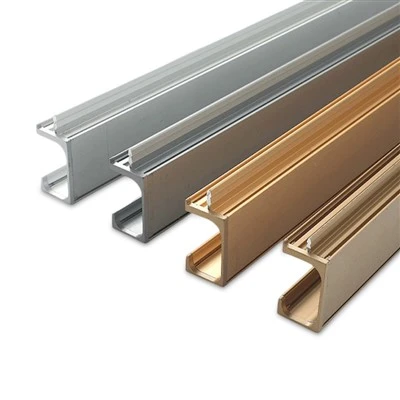
First, let’s get the basics out of the way: What’s the difference between furniture handles and the hardware that comes pre-installed on most mass-produced wardrobes? Pre-made wardrobes from big-box stores usually have generic, one-size-fits-all hardware—think thin, flimsy pulls or small knobs that are built to be cheap, not functional or stylish. Furniture handles, on the other hand, are designed for durability, aesthetic versatility, and consistent performance across different furniture pieces. They’re made from materials like solid brass, stainless steel, aluminum, or even high-quality polyresin, all engineered to hold up to daily use: opening and closing wardrobe doors, yanking out drawers, even leaning on them when you’re picking out an outfit.
Now, the short answer to “Can I use furniture handles on a wardrobe?” is a resounding yes—but only if you pair the right handle with the right wardrobe. The key here is matching the handle’s size, mounting style, and load capacity to your wardrobe’s construction. A lot of people jump in and buy a pretty handle without checking if it will work, and that’s where issues pop up. For example, a delicate, decorative polyresin knob might look great on a small bedroom dresser, but it’s way too fragile for a wardrobe door that you’ll be yanking open multiple times a day. I always tell customers: Wardrobes take more abuse than most other furniture, so their handles need to be sturdier.
Let’s dive into the most common scenarios where using furniture handles on a wardrobe works perfectly. First, replacing old, worn-out hardware. If you have a 10-year-old wardrobe in your guest room that’s held together with dented, peeling plastic pulls, swapping those out for solid brass or stainless steel handles will instantly make the space look cleaner and more intentional. I worked with a customer last year who had a mid-century modern wardrobe he’d inherited from his grandma; the original pulls were rusted and lost two of their screws. He ordered a set of 6-inch brushed steel bar handles from our inventory, and when he installed them, the wardrobe went from a faded, neglected piece to the focal point of his living room. That’s the kind of transformation that happens when you pick the right hardware.
Another great use case: custom-built wardrobes or semi-custom pieces. Many homeowners and small carpenters opt for basic, flat wardrobe doors when building their own storage, and adding furniture handles is the easiest way to add personality without doing a full refinish. For a minimalist small apartment, short, matte black knob handles work to keep the space feeling uncluttered. For a traditional master bedroom, ornate cast bronze handles add a touch of luxury that matches hardwood floors and silk bedding. The best part is that furniture handles come in every style imaginable, so you don’t have to stick to what the wardrobe maker used.
Now, let’s talk about the practical stuff that trips people up. Mounting style is huge. Most furniture handles are either surface-mounted (they sit on top of the door, held by two screws) or recessed (they fit into a cutout in the door). For wardrobes, surface-mounted handles are almost always the right choice—recessed handles require cutting into the door, which can weaken it, especially if it’s a thin particleboard or medium-density fiberboard (MDF) wardrobe. I’ve seen customers try to install recessed handles on flimsy MDF doors, and within a month, the wood split around the cutout because the weight of the handle pulled it down. Surface-mounted handles are stronger because the screws go all the way through the door, or at least deep into the wood frame, distributing the weight evenly.
Size is another critical factor. If you have a wardrobe door that’s 24 inches wide, a 4-inch pull handle is too small—you’ll have to grip the edge of the door, which is less convenient and can wear out the door’s finish over time. I recommend a handle length that’s at least half the width of the door. So a 24-inch door needs a handle of 12 to 16 inches, depending on how much space you have between the doors. For double doors, you’ll want to put a handle on each door, so make sure the handles aren’t so long that they overlap when the doors are open. This is where measuring twice and ordering once pays off—too many customers order a handle online without checking the distance between their door’s stiles (the vertical wood pieces on the sides of the door) and end up with a handle that’s too long and won’t fit.
Material matters too, and not just for looks. Wardrobes are often in high-humidity areas—next to a shower in a master bathroom, or in a closet that gets stuffy in the summer. A cheap zinc alloy handle will rust or corrode over time, especially if it’s exposed to moisture. Solid stainless steel or solid brass handles are moisture-resistant and will last for decades, even in humid spaces. Aluminum is lightweight and great for small, lightweight wardrobe doors, but don’t use it on heavy double doors—it can bend under the weight. I always tell customers to prioritize material based on where the wardrobe is located, not just what matches their decor.
Wait, but what if you have a built-in wardrobe with no pre-drilled holes for handles? Can you still use furniture handles? Absolutely. Most furniture handles come with mounting hardware, including screws that are long enough to go through the wardrobe door and into the inner frame. If your wardrobe door is too thin, you can add a backer plate (a small piece of wood or metal) behind the handle to distribute the weight, so it doesn’t pull through the door over time. I’ve had customers with sliding closet doors—those big, flat panels that slide along a track—swap the flimsy plastic pulls for heavy-duty stainless steel bar handles, and it made a huge difference in how easy it is to open the doors. Sliding doors need handles that are strong enough to grip firmly, and furniture handles are perfect for that.
I should also mention the one case where using furniture handles on a wardrobe might not be the best idea: very inexpensive, thin wardrobe doors (less than 3/4 inch thick). If you have a particleboard door that’s just 1/2 inch thick, even the sturdiest handle can pull out of the wood over time, because particleboard doesn’t hold screws as well as solid wood or MDF. In that case, you can add a wooden block inside the door frame, behind where the handle will be, to give the screw something solid to grip. Or, if you’re not handy, you might want to stick with the original hardware for that type of wardrobe. But that’s a minor exception, not a rule.
Now, let’s talk about the value side, because I know a lot of people are worried about cost. Furniture handles are way more affordable than you might think—you can get a set of 6 solid brass bar handles for under $50, which is a fraction of the cost of a new wardrobe. That’s a big deal if you’re renting and can’t make permanent changes, or if you’re on a tight budget for a bedroom refresh. I’ve had renters who couldn’t drill into the walls, so they installed handles on the outside of their freestanding wardrobe, which sits against the wall. They didn’t have to modify the wall, and the handles made the wardrobe look like it was custom-made for their space.
I also want to address a common misconception: that furniture handles are only for “decorative” furniture. No, great handles are functional. A good handle on a wardrobe makes it easier to open, especially if you have sore hands or a lot of clothes to carry while you’re digging for a sweater. I’ve had customers with mobility issues tell me that switching to larger, easier-to-grip handles on their wardrobe was a game-changer—they no longer had to struggle with small, tight pulls that required a lot of force to open. That’s a benefit most people don’t think about when they’re browsing handles online.
So, putting it all together: Yes, you absolutely can use furniture handles on a wardrobe, as long you choose the right handle for your specific wardrobe, consider material for durability, match the size to the door, and make sure the mounting style works for your door’s construction. It’s a simple, inexpensive update that can completely transform a plain, boring wardrobe into a piece that fits your style and works better for your daily life.
I’ve spent years working with customers to find the perfect handles for their wardrobes, and I’ve learned that the best solutions come from understanding both the hardware and the customer’s needs. Whether you’re replacing old hardware on a heirloom wardrobe, building a custom wardrobe for your apartment, or just trying to spruce up a cheap pre-made piece, there’s a furniture handle out there that will work for you.
If you’re not sure what handle is right for your wardrobe—whether you need help measuring the door, picking a material that works for your space, or troubleshooting mounting issues—reach out to me and my team. We work with every type of customer, from first-time DIYers to interior designers with high-end projects, and we can help you find the perfect handles at a price that fits your budget. We’re here to answer your questions, walk you through installation tips, and make sure your wardrobe update goes smoothly. Don’t hesitate to connect with us to chat through your project—we’d love to help.
Hinge References:
- “Furniture Hardware Durability: A Guide to Selection and Installation,” Furniture Design Association, 2022.
- “Material Properties for Residential Hardware,” International Association of Home Furnishings, 2021.
- “Space-Saving Storage Solutions for Small Bedrooms,” National Kitchen and Bath Association, 2023.
- “Mobility Accessible Furniture Hardware: Best Practices,” American Home Furnishings Alliance, 2022.
Guangzhou Fengcheng Industrial Co., Ltd.
As one of the most professional furniture handles manufacturers and suppliers in China, we’re featured by quality products and good price. Please rest assured to buy bulk furniture handles for sale here and get quotation from our factory. We also accept customized orders.
Address: No. 135-136, Tianjian Square, Baiyun District, Guangzhou City, Guangdong Province
E-mail: fc223228@163.com
WebSite: https://www.foncher.com/
