Hey there! If you’ve ever walked past a storefront, leaned on a car’s windshield, or glanced at a balcony railing, you’ve probably seen flat laminated glass without even realizing it. But as a flat laminated glass supplier, I get asked one question way more than any other: “How shatter-resistant is this stuff?” It’s a fair question—no one wants glass shattering into a million sharp pieces when they least expect it. Let me break this down like I would to a customer who just walked into my shop, no jargon, no fluff, just real talk about what makes laminated glass hold its own. Flat Laminated Glass
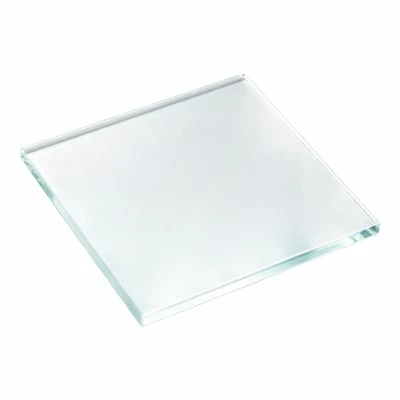
First, let’s get the basics straight because a lot of folks mix laminated glass up with tempered glass, and that’s a mistake. Tempered glass is heat-treated to be stronger than regular glass, but when it does break, it turns into those little, dull pellets that look like ice cubes. Laminated glass? It’s two (or more) layers of regular annealed glass stuck together with a thin, plastic interlayer—usually PVB, or polyvinyl butyral, if we’re getting technical. That interlayer is the secret sauce for shatter resistance. It doesn’t just hold the pieces together after a break; it actually slows down impact before it even splits.
Wait, let’s test that with a real example. You know car windshields? Those are laminated glass, right? If a rock hits your windshield, it might leave a crack or a star-shaped chip, but it almost never flies apart into sharp shards. The PVB layer catches all the broken glass, so even if you have a chip, the windshield stays intact enough to keep your view clear. That’s not an accident—it’s how laminated glass is designed. Compare that to a regular window pane: whack it with something, and it’s gone in a second, sharp edges everywhere. The difference is that interlayer.
Now, let’s talk “shatter resistance” like we measure it. I know suppliers throw around numbers, but let’s be honest—most people don’t know what a 100 Joule impact means. For context, a 100 Joule impact is roughly the energy of a 1kg object falling 10 meters (or about 22 pounds falling 32 feet). Basic laminated glass—like what we use for residential windows or storefront display cases—can handle that no problem. It’ll dent, maybe crack, but it won’t separate into pieces. Step it up a notch, like the thicker interlayer we use for security applications? That can take a 400 Joule hit—think a kick from a boot, or a small metal object thrown at full speed. That’s the stuff we recommend for shops that want to deter smash-and-grabs, because even if someone hits it hard enough, it doesn’t break through.
But here’s the thing: no glass is unbreakable. I always tell customers that. If you hit laminated glass with something like a sledgehammer, it’ll break—just not the way regular glass does. Instead of shattering into dozens of sharp chunks, it’ll split along the impact point, and the interlayer will stretch a bit, keeping the broken pieces attached. You’ll have a big hole, but no flying glass, which is way safer for anyone nearby. That’s the key benefit most people don’t get at first: shatter resistance isn’t about withstanding every possible impact forever. It’s about reducing risk. No one wants to deal with emergency room visits from flying glass, or cleaning up tiny shards that get everywhere. Laminated glass solves that.
Another thing I see people confuse: “shatter resistance” vs. “impact resistance.” Impact resistance is how much force it takes to break the glass, while shatter resistance is what happens after it breaks. Laminated glass nails both, but the interlayer is the star for shatter resistance. Let’s say you have a laminated glass tabletop—knock a heavy mug off the edge, and it might crack, but the mug won’t go through. If it was regular glass, the mug would smash right through, and you’d have shards all over the floor. We’ve had customers tell us they use our laminated glass for their kitchen counters specifically because of that—no more worrying about a wine glass slipping and shattering all over the place.
Wait, what about different types of interlayers? PVB is the most common, but we also use EVA (ethylene-vinyl acetate) for some applications, and even polycarbonate for super heavy-duty stuff. Each changes the shatter resistance a little. EVA is a bit softer, so it’s great for things like decorative laminated glass for interior partitions—its shatter resistance is still way better than regular glass, and it doesn’t have that stiff feel of PVB. Polycarbonate is almost unbreakable for small objects, but it’s more expensive, so we only recommend it for things like guardrails or outdoor signage where someone could get seriously hurt if glass fails.
I should also mention edge quality, because that affects shatter resistance too. When we cut laminated glass, we make sure the edges are smooth—no rough cuts or tiny chips. If the edges are rough, that’s a weak point where the glass could crack easier, and the interlayer might start to peel over time. It’s a small detail, but it makes a big difference. We do all our cutting in-house, so we control that quality every step of the way.
Let’s talk about real-world performance. A few years back, a customer of ours had a storefront made with our basic laminated glass. Some kid threw a baseball at it—full swing, no holding back. The regular glass would’ve been gone, but our laminated one had a big crack, no penetration, and no shards flying. The customer fixed the small chip with a glass repair kit and it’s still holding today. That’s the kind of shatter resistance we’re proud of. Another example: apartment building balconies. We use laminated glass there because if someone drops a glass or a tool, it doesn’t fall into the space below. Way better for safety than regular glass.
Now, I know what you’re thinking: “Is there a downside?” Yeah, a couple. Laminated glass is a bit heavier than regular glass of the same thickness, so if you’re doing a big installation, you might need sturdier frames. Also, it’s a touch more expensive upfront, but when you factor in safety, durability, and lower maintenance (since you don’t have to replace it as often), it’s worth every penny. I always tell customers to think of it as an investment, not a cost.
So, to wrap this up: the shatter resistance of flat laminated glass isn’t a one-size-fits-all number. It depends on the thickness of the glass layers, the type of interlayer, and how it’s installed. But at the end of the day, it’s way more shatter-resistant than regular annealed glass—no sharp flying shards, better impact handling, and peace of mind that comes with knowing it won’t turn into a hazard if something hits it.
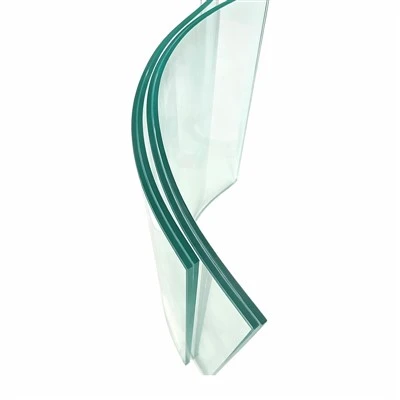
If you’re thinking about using laminated glass for your next project—whether it’s a storefront, a residential window, a tabletop, or anything else—we can help you figure out exactly what you need. We’ve got years of experience working with everything from small home renovations to large commercial builds, so we can match the right glass to your budget and safety needs. No sales pitch, just straight talk about what will work best for you. Reach out, and let’s chat through your project. We’re here to answer any questions, no matter how big or small.
Tempered Glass References
- Glass Association of North America. (2021). Laminated Glass: Properties and Applications.
- International Code Council. (2022). Building Code Requirements for Safety Glazing Materials.
- ASTM International. (2019). Standard Test Methods for Strength of Glass Panels.
- PVB Interlayer Manufacturers Association. (2020). Performance Data for Polyvinyl Butyral Laminated Glass.
- National Safety Council. (2021). Safety Glass Use in Residential and Commercial Structures.
Suzhou Dingcheng Tempered Glass Co., Ltd.
As one of the most professional flat laminated glass manufacturers and suppliers in China, we also support customized service. We warmly welcome you to wholesale high quality flat laminated glass made in China here from our factory. If you have any enquiry about free sample, please feel free to email us.
Address: No.777 Limin North Road, Lili Town, Wujiang District, Suzhou City, Jiangsu Province
E-mail: Dingchengglass@163.com
WebSite: https://www.dingchengglass.com/
