When I started out as a construction wood board supplier 12 years ago, I quickly learned that choosing the right wood board isn’t just about picking a material that looks sturdy— it’s about matching the board to the project, the environment it’ll live in, and even the people who’ll use it every day. I’ve sat in on dozens of client calls where someone called in panicking because the board they bought last week warped in a week, or split mid-job, and it usually boils down to one mistake: they didn’t ask the right questions before ordering. If you’re tackling a residential build, a commercial renovation, or a custom outdoor structure, this guide’s built from what I’ve seen on job sites, in our warehouse, and from hundreds of clients who turned a messy mistake into a smooth, on-time finish. Construction Wood Board

First, let’s talk about the project type— this is the non-negotiable starting point that most people skip. I always ask clients to name two things first: what are you building, and where is it going to live? For indoor jobs like floor underlayment, wall sheathing, or cabinet bases, the focus shifts to consistency and cost, not heavy weather resistance. Take floor underlayment, for example: our clients who build residential homes or small apartments usually opt for medium-density fiberboard (MDF) or oriented strand board (OSB) here. MDF is super smooth, no loose wood strands, so when you lay laminate or hardwood on top, you don’t get that bumpy spot that makes floors creak a year later. OSB is cheaper, just as strong for indoor use, and works perfect as wall sheathing when you’re finishing a basement or adding interior partitions.
But if you’re building something that’s outside— a deck, a garden shed, a fence, or even a retaining wall— you can’t use the same indoor board. The moisture, temperature swings, and pests like termites turn regular OSB or pine boards into garbage in 18 months. That’s where pressure-treated wood comes in, and not just any pressure-treated. We stock two main grades: residential pressure-treated (for decks and fence posts) and industrial-grade, which is treated with a heavier solution for ground contact. The residential grade works fine if your shed’s on a concrete foundation, but if you’re setting posts directly into the dirt? You need industrial— I’ve seen too many clients try to save a few bucks on residential, only to pull rotted posts 2 years later. Even within outdoor, there’s a difference for coastal areas: salt air eats at regular pressure-treated fast, so we recommend our marine-grade boards, which have a wax coating that slows that corrosion way down.
Next, wood species and grade. This is where a lot of new builders mix up quality and cost, and it doesn’t have to be complicated. Let’s break down the most common species we supply: pine, oak, plywood, and the OSB and MDF I mentioned earlier. Pine is the workhorse for indoor framing, fence boards, and even furniture— it’s affordable, easy to cut, and strong enough for most light to medium loads. But pine has knots, and knots aren’t just cosmetic; they’re weak points. If you’re framing a wall that’ll hold a second floor, you want pine with tight, small knots (that’s Select Structural grade) instead of rustic, knotty pine, which is better for accent walls or decorative trim where strength isn’t the top priority.
Oak is a step up for durability, and it’s my go-to for outdoor benches, cabinet doors, and hardwood flooring underlayment. It’s denser than pine, resists scratches way better, and holds paint or stain way more evenly. But oak costs 30-40% more than pine, so I always tell clients: don’t use oak where you don’t need it. If you’re building a 10-foot fence that’s just going to keep dogs in, pine pressure-treated is perfect. If you’re building a custom outdoor dining set that’ll get daily use, oak is worth the extra cost for the lifespan.
Plywood is another big one, and it’s not just for subfloors. Plywood is made of thin wood layers glued perpendicular to each other, which makes it way more stable than solid wood— no warping, no twisting, even when humidity changes. The grade here is key: exterior-grade plywood (marked with an “X” on the side) has a water-resistant glue, so it’s for roofs, siding, and outdoor structures. Interior-grade has a regular glue, so save that for wall paneling or cabinet backs. A lot of clients mix these up, ending up with a roof that starts delaminating after the first rain. I’ve had clients come to us with a bad experience from a big-box store, where they bought interior plywood for a shed roof, and half the layers pulled apart after three months. That’s why checking that “X” marking takes 10 seconds and saves you thousands in repairs.
Then there’s size and thickness, which sounds simple but trips up even experienced contractors. If you’re framing a floor joist, a 2×8 isn’t the same as a 2×8 board from a different manufacturer— wait, hold on, not the actual size, but the nominal size. Nominal size (the 2×8, 1×10) is what we call the “construction name,” but actual size is 1.5 inches thick by 7.25 inches wide. So a 2×10 is 1.5×9.25 inches. For most indoor framing, 2x4s are standard for wall studs, but if you’re building a deck that’ll hold hot tubs, you need 2x6s or even 2x8s for the joists. Thickness for sheathing: if you’re doing roof sheathing for a residential home, 7/16-inch OSB works for slopes under 4-in-12, but if your roof is steeper than that, you need 1/2-inch to prevent sagging. I see this mistake all the time— clients buy the thinnest option to save money, and the roof starts to dip in the middle after a few years of heavy snow. It’s not a safety hazard right away, but it’s a fix you’ll have to pay for later.
Moisture content is the hidden factor that most people don’t check, but it makes or break a board’s performance. Wood moves with humidity— if it’s too wet when you install it, it’ll shrink and warp as it dries, and if it’s too dry, it’ll expand and split in humid weather. For indoor use, we aim for moisture content between 6 and 8%— that’s the sweet spot for most climates in North America. For outdoor, we go a bit higher, 10 to 15%, because outdoor wood’s never going to be as dry as indoor. Our kiln-dried boards are tested at the warehouse with a moisture meter, so you don’t have to worry about picking a board that’s been sitting in a damp yard for a month. If you’re buying from a smaller supplier, ask for their moisture content test results— reputable ones will have that, and if they don’t, it’s a red flag.
Now, let’s talk about budget, because we all want to save money, but cutting corners here is rarely worth it. Here’s the rule I share with every client: allocate 10-15% of your total project budget for wood boards, and don’t skimp on the type that’s non-negotiable. For example, if you’re building a 1,500-square-foot deck, total project cost is usually $10-15k, so $1-2k for wood is standard. If you spend $300 less by using regular pine instead of pressure-treated, you’ll spend $1,500 replacing it in 3 years. On the flip side, if you’re building a small garden shed for $1,500, spending an extra $100 on marine-grade isn’t necessary— pressure-treated will work just fine, and you can use that extra $100 for better hinges or a door lock.
I also hear a lot of clients ask about recycled wood— it’s a popular option for eco-friendly projects, and I’m all for it, but there’s a catch. Recycled wood can have hidden damage: old nails, rot that you can’t see, or chemicals from previous use (like if it was a barn board that used arsenic-treated wood back in the day). If you go recycled, make sure you inspect every board, sand it down to check for rot, and test for chemicals if you’re using it for something that’ll touch food, like a garden bed for veggies. Our reclaimed wood selection is pre-inspected, so you don’t have to do that work, and it’s still a sustainable option.
Wait, let’s not forget edge treatments and finish. If you’re using boards for something that’ll be seen, like a cabinet door or a bookshelf, a tongue-and-groove edge gives you a tight, seamless fit, but it’s more expensive than a straight edge. For trim, a routed edge gives a decorative look, which is worth it for accent pieces, but not for basic baseboards. For outdoor, a pre-sealed board saves you a step— most of our pressure-treated and marine-grade boards come with a waterproof seal already applied, so you don’t have to spend a weekend painting every board before installation. If you skip that, you’ll have to re-seal every 2-3 years, which adds up to more work and cost over time.
Let’s tie this all together with a couple of examples, because this stuff makes more sense with real projects. Example 1: You’re a homeowner building a 10×12 backyard shed on a concrete slab. What do you need? 2×4 studs for the walls (Select Structural pine, moisture content 6-8%), 1/2-inch interior plywood for the wall sheathing, 7/16-inch OSB for the roof, and pressure-treated 4x4s for the floor skids (industrial grade, since they’re sitting on the slab). Total cost for materials here is around $500, which is way better than cutting corners with a $300 cheaper option that’ll warp and leak. Example 2: A contractor building a commercial retail deck that’ll hold 50 people. What do they need? 2×6 joists (pressure-treated, moisture content 10-12%), 5/8-inch exterior plywood for the subfloor, and cedar decking planks (resistant to pests and rot, so it’ll look good for 15+ years). The extra $2 per square foot for cedar is worth it here because the deck is a public space that needs to look professional and hold up to heavy use.
Now, I’ve seen enough bad choices to tell you what to avoid. Don’t buy wood labeled “construction grade” without checking the grade details— some suppliers use that as a catch-all for lower quality wood with more knots and weaker structural integrity. Don’t mix indoor and outdoor boards: using interior plywood on a roof will fail, and using pressure-treated pine indoors means you’ll have fumes from the treatment for months. Don’t skip the moisture meter— I’ve had a client once who bought a batch of wood from a big-box store, didn’t test moisture, installed it in his basement, and it warped so bad the drywall cracked. It cost him $2,000 to fix, just because he didn’t spend $20 on a meter.
At the end of the day, choosing the right construction wood board is about matching three things: the job’s purpose, the environment, and your budget without cutting corners on the parts that matter. If you’re still unsure, don’t guess— reach out. We’ve got a team on our end who can walk you through your project, tell you exactly what type, size, and grade you need, no sales pitch, just honest advice from people who’ve been in the construction space for decades. We’ve helped residential homeowners, small contractors, and large commercial teams pick the right boards for jobs big and small, and we’re here to make sure you don’t have to deal with the headache of warped boards, delaminating plywood, or rotted posts down the line.
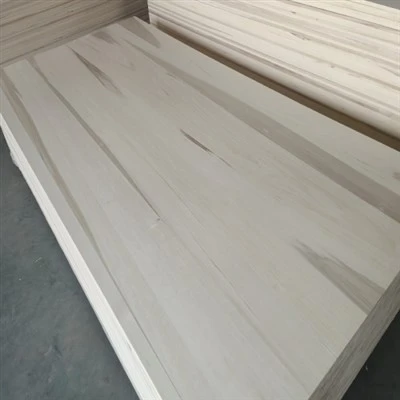
Whether you’re building your first shed, renovating a kitchen, or working on a multi-unit commercial project, we’ve got the stock to fit your needs, and the knowledge to make sure you get it right the first time. Reach out to our team to discuss your project in detail, and we’ll provide tailored recommendations that work for your timeline, your location, and your budget.
Poplar Wood Board References
- Forest Products Laboratory, U.S. Department of Agriculture. Wood Handbook: Wood as an Engineering Material. 2010.
- American Forest & Paper Association. North American Standard for Wood Structural Design. 2021.
- International Code Council. Residential Construction Code for Wood Framing. 2022.
- Wood Preservation Association. Guide to Pressure-Treated Wood for Outdoor Applications. 2019.
Cao County Hengyu Woods Co., Ltd.
Cao County Hengyu Woods Co., Ltd. is one of the leading construction wood board manufacturers and suppliers in China. We warmly welcome you to wholesale customized construction wood board at low price from our factory. Good service and cheap products are available. For free sample, contact us now.
Address: Cao County, Heze City, Shandong Province, China
E-mail: anna@hengyuwood.com
WebSite: https://www.hengyuwooden.com/
