Hey folks, Ball Valve
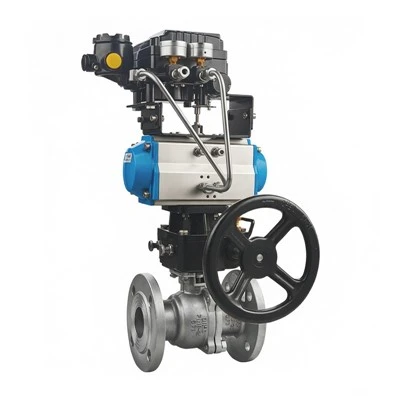
If you’ve ever worked on any plumbing, HVAC, or industrial gas project, you’ve probably wondered about the right valves for gas lines. As a ball valve supplier, I get that question all the time—people ask me nonstop, “Can a ball valve actually work on gas lines?” Spoiler: The short answer is yes, but it’s not as simple as grabbing any random ball valve off the shelf. Let’s break this down like we chat at the trade counter, no stuffy engineering jargon (well, maybe a little, but I’ll explain it like it’s for a buddy who’s got a side hustle fixing trailers).
First, let’s start with what makes a valve good for gas. Gas lines—whether it’s natural gas for a home furnace, propane for a forklift, or compressed air for a factory machine—aren’t like water lines. Gas is compressible, flammable (obviously), and leaks can lead to big problems. So valves need to be tight, durable, and rated for the specific gas they’re moving. Now, ball valves: they have a hollow, perforated ball inside that twists 90 degrees to open or close the line. That design is super simple—fewer moving parts than gate valves or globe valves, right? Less to break, which is a win for long-term use.
Wait, but why do some people swear ball valves are bad for gas? Let’s clear that up. Old-school, unrated ball valves (like the cheap ones you pick up at a big box store for a $5 fix) aren’t made for gas. They might have loose seals, or the material might not hold up to gas’s chemicals. But the right ball valve? It’s actually one of the best options out there. Let’s talk about the types of gases, because that’s where the science matters.
Natural gas (methane) is the most common residential gas. Ball valves rated for natural gas—look for things like UL listing or CSA certification, that’s the safety stamp you need. These valves are tested to not leak methane, which is key because methane is odorless (the rotten egg smell is an additive, but even that can escape if the valve fails). Propane is heavier than air, so a leak can pool near the floor—so tight sealing is non-negotiable. Compressed natural gas (CNG) or liquefied petroleum gas (LPG) for vehicles also need high-pressure rated ball valves, since those gases are stored under pressure.
Then there’s industrial gases: compressed oxygen, nitrogen, even acetylene. For these, you need a ball valve made of material that doesn’t react with the gas. Like, brass works for most natural gas, but for oxygen, you can’t use a brass valve with excess oil—oil and oxygen is a recipe for a fire. So we make oxygen-specific ball valves that are degreased and tested, no chance of a reaction. That’s something a lot of new installers miss, but as a supplier, I make sure to point that out every time someone asks.
Now, let’s get into the practical stuff. When you use a ball valve on a gas line, there are a few best practices that make all the difference. First, size matters. Don’t use a 2-inch ball valve on a 1-inch gas line just because it’s cheaper—flow rate is key. Gas lines have pressure specs, and a valve that’s too big can cause pressure drops, which messes with appliances like water heaters. Also, don’t over-tighten the fittings. Ball valves have a handle, and you just need to turn it 90 degrees until it stops—over-tightening can crack the valve body, which is a huge leak risk.
Another thing: ball valves are quarter-turn, so they’re great for quick shutoffs. If there’s a gas leak, you don’t want to fumble with a gate valve that takes 10 turns to close. A ball valve shuts off in a flash. That’s why we sell so many of these to fire departments and maintenance teams—they need a valve they can trigger fast. But wait, some people say ball valves cause water hammer? No, water hammer is for liquid lines. For gas, the big thing is “gas hammer,” which is when you suddenly shut off the gas and the pressure surge can damage the line. But that’s not specific to ball valves—any quick shutoff can cause that, so you just need to make sure your line is properly supported, and the valve is rated for the pressure you’re working with.
Let’s talk about my experience as a ball valve supplier. I’ve had customers come in with horror stories—they used a cheap, unrated ball valve for a propane tank, and after six months, it started leaking. The seal failed because it wasn’t made to handle propane’s high pressure. Another guy had a brass ball valve on his home natural gas line, and over time, the brass corroded a little from the gas’s additives, leading to a tiny leak. That’s why I always tell people: don’t cut corners on the valve’s rating. Look for the specific gas rating, not just a general “valve” label.
What about cryogenic gases? Like liquid nitrogen or liquid propane, which are super cold. Ball valves here need to be made of materials that don’t get brittle in cold temps—stainless steel, for example, instead of plastic. We carry those too, for industrial customers who work with cryo stuff. Those are rated for extreme temps, so they don’t crack when you turn them in -200°F conditions.
Now, let’s compare ball valves to other options. Gate valves are common for gas lines, but they can get stuck open or closed if there’s buildup in the line. Globe valves are good for regulating flow, but they’re slower to shut off, which is bad for emergencies. Ball valves strike a balance: they’re tight, durable, and quick. Plus, modern ball valves have PTFE seals (that’s the white plastic stuff that’s heat-resistant) which hold up way better than the old rubber seals, especially for gas. PTFE is resistant to most gas chemicals, so it doesn’t break down over time.
Wait, but can you use a full-port vs. reduced-port ball valve on gas? Full-port means the inside of the ball is the same size as the pipe, so flow is unrestricted. Reduced-port is smaller, which is cheaper, but can cause pressure drops. For residential lines, reduced-port is usually fine, but for industrial lines where consistent pressure is important, full-port is the way to go. I always ask customers what their pressure needs are before recommending—no one-size-fits-all here.
Another common question: can you use a ball valve on flexible gas lines? Yes, but again, check the rating. Flexible gas lines (the yellow ones you see for stoves) have specific connection points, so you need a ball valve with the right end connections—like flare or compression fittings, not threaded, because those can leak if not installed right. I always give a quick tip: wrap thread seal tape made for gas lines, not the regular plumber’s tape. Regular tape can break down with gas, but gas-specific tape is formulated to hold up.
Let’s get real about safety. I can’t stress this enough: if you’re not a professional, don’t install gas lines yourself. But if you are a pro, using a proper ball valve is one of the safest choices you can make. As a supplier, I’ve seen way too many incidents where a wrong valve was the cause. For example, a construction crew used a general-purpose ball valve on a natural gas line for a new building. The valve wasn’t rated for natural gas, so after a year, a seal failed, and they had to evacuate the whole floor. That’s why we have every valve’s rating printed right on the packaging, and I make sure to tell customers to double-check it before installation.
What about long-term use? Ball valves have a long lifespan if you take care of them. You just need to lubricate the stem every couple of years—use a lubricant made for gas valves, not generic grease. That keeps the handle turning smoothly and prevents leaks. I tell customers to mark the handle: “Open” when it’s parallel to the pipe, “Closed” when it’s perpendicular. That way, no one accidentally leaves it half-shut, which can cause pressure buildup.
Now, should you ever NOT use a ball valve on gas lines? Let’s be honest, there are rare cases. If you’re working with very low-pressure gas for a small, temporary setup, a cheap valve might work, but even then, I’d still recommend a rated ball valve. If you need to regulate flow very precisely (like for a laboratory gas experiment), a globe valve is better, because ball valves are either fully open or fully closed—you can’t adjust them mid-flow easily. But for 99% of gas line applications—residential, commercial, industrial—ball valves are perfect.
As someone who’s been supplying ball valves for 10 years, I can say the biggest mistake people make is buying the cheapest valve they can find. The extra $10 for a rated, quality ball valve is nothing compared to the cost of a gas leak repair or, worse, an accident. We carry all kinds: brass for residential natural gas, stainless for industrial propane, oxygen-specific for medical gas, cryogenic for labs. Whatever your gas line project is, we’ve got the right valve.
If you’re working on a gas line—whether it’s a home remodel, a factory upgrade, a mobile fuel station, whatever—don’t guess. Reach out, and let’s talk through your needs. I can help you pick the right size, material, and rating, so you don’t end up with a valve that doesn’t work right. No pushy sales stuff, just straight-up advice, because that’s why our customers come back.
At the end of the day, a ball valve isn’t just a “can it work” question—it’s a “can it work safely, for years, without leaking” question. The right one absolutely can, and that’s why they’re the go-to for so many gas line professionals. Don’t cut corners on safety, and don’t cut corners on the valve. Let’s make sure your gas lines are tight, your installations are solid, and you never have to worry about leaks.
If you have questions, need a quote, or just want to chat through your project, reach out and let’s connect. We’re here to help get you the right ball valve for your gas line needs.
Electric Actuated Ball Valve References
- American Society of Mechanical Engineers (ASME). ASME B16.34: Valves—Flanged, Threaded, and Welding End. ASME International, 2021.
- National Fire Protection Association (NFPA). NFPA 54: National Fuel Gas Code. National Fire Protection Association, 2022.
- International Code Council (ICC). International Residential Code (IRC) Chapter 24: Fuel Gas Piping. International Code Council, 2021.
- Fluid Controls Institute (FCI). Standard for Ball Valve Design and Testing for Gas Service, FCI 90-1. Fluid Controls Institute, 2019.
- Compressed Gas Association (CGA). CGA G-4.1: Standard for Compressed Gas Cylinder Valve Outlet and Inlet Connections. Compressed Gas Association, 2020.
Zhejiang Chenxiang Valve Co., Ltd.
We are one of the most professional ball valve manufacturers and suppliers in China, also support customized service. We warmly welcome you to wholesale high quality ball valve in stock here from our factory. If you have any enquiry about quotation, please feel free to email us.
Address: No. 126 Zhongxing Road, Wenzhou Industrial Park, Longwan District, Wenzhou City, Zhejiang Province
E-mail: vip@chenxiangvalve.com
WebSite: https://www.cxindustrialvalve.com/
