If you’ve ever walked into a movie theater on a hot summer day and been grateful for that perfect, crisp air that makes a two-hour blockbuster feel way more comfortable, you can thank commercial cooling equipment that’s built specifically for theaters—not the generic units you’d use for a retail store or office. I’ve been in the commercial cooling game for over a decade now, and let me tell you, movie theaters are one of the trickiest spaces to get right. Most people think a big AC unit is all you need, but skip the details, and you’re stuck with a handful of avoidable headaches: sweaty crowds, foggy projectors, sky-high energy bills, or even worse, mid-movie breaks because the system fried out. Commercial Cooling Equipment
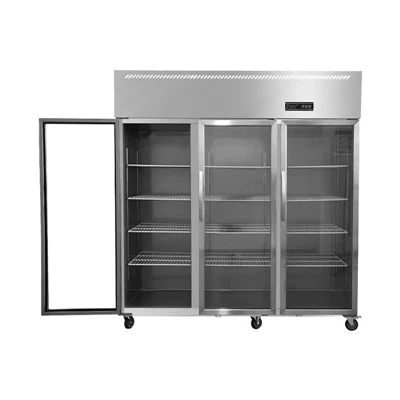
First, let’s talk about why theater spaces are so different. Most movie theaters, especially the multiplex kind, have tiered seating, which means heat rises—so the back rows can be 3 to 5 degrees warmer than the front, even with a standard system running flat out. Then there’s the body heat: a mid-sized auditorium holds 200 to 300 people, each one radiating heat the second they sit down for a show. Add to that the equipment load: projectors, concession stand grills, popcorn machines, soda fountains—all of these pump out extra heat that your average office HVAC doesn’t have to deal with. I’ve seen a theater try to use an old office chiller a few years back, and by the middle of the Saturday matinee, the front rows were icy and the back felt like a sauna. The manager ended up having to hand out free water and call an emergency service crew mid-movie, which killed their repeat business for a week. That’s the kind of mistake we’re here to help you avoid.
So what kind of commercial cooling equipment actually works for theaters? Let’s break down the key players, no jargon, I promise. First up, variable refrigerant flow (VRF) systems. These are a big favorite with theater owners right now, and for good reason. Unlike old central AC that cranks the same amount of cool air everywhere, VRF systems can adjust cooling per zone. That means you can blast the back rows a little more, dial back the front where people are sitting closer to the vents, and even turn off cooling entirely in an auditorium that’s not in use for a private event or empty slot between shows. I worked with a 12-screen multiplex in Ohio last year that switched to VRF, and they cut their energy bills for cooling by almost 28% in the first year. That’s not chump change when you’re running 12 different auditoriums 10+ hours a day.
Next, there’s ducted split systems, which are a solid pick for smaller theaters or boutique cinemas, like those indie spots with two or three screens. They’re quieter than VRF, which is huge—you don’t want your cooling unit humming so loud that it distracts from a horror movie jump scare or a quiet drama’s dialogue. I’ve installed these in a few boutique theaters, and the feedback from customers was all about how crisp and unobtrusive the air feels, no background noise to pull them out of the movie. They’re also more flexible if you’re expanding: if you add a fourth screen a couple years down the line, you can just add another unit to your existing system instead of overhauling the whole setup. Oh, and another thing that’s easy to miss: filtration. Theaters have a lot of foot traffic, and concessions pump out dust and popcorn kernels, so you need a system with MERV-13 filters at minimum. Those trap tiny particles so the air stays clean, which is also better for people with allergies—something that a lot of theater owners overlook until half the audience starts sneezing through the third act.
Wait, let’s not forget about humidity control. This is make-or-break for theaters. Too much humidity, and the projector lens fogs up, making the movie look blurry—nothing kills a cinematic experience faster than a foggy screen. Too little humidity, and the air feels dry, making people cough or feel uncomfortable after an hour. Commercial cooling for theaters doesn’t just cool air—it balances moisture levels, usually keeping relative humidity between 45% and 55%. That’s the sweet spot. Last year, a small cinema in Kentucky called me because their old system was making their digital projectors fog every weekend. We swapped out their basic AC for a system with built-in dehumidification, and that issue was gone within a week. They even told me their concession stand soda machines stopped sweating so much, which saved them on mess and wasted cups. That’s a double win.
Now, let’s talk about common mistakes I see theater owners make when picking cooling equipment. First, going too cheap. A lot of operators will buy a discounted unit from a big box store because it’s cheaper upfront, but those units are built for light use, not 12+ hours a day, every day of the week. I’ve had customers reach out to me after a year because their cheap unit broke, and the repair ended up costing more than if they’d just bought a proper theater-specific system in the first place. Second, ignoring load calculation. Every theater is different: a 50-seat indie theater has a totally different cooling need than a 300-seat multiplex auditorium. I had one guy try to install a unit sized for a 100-seat space in a 250-seat auditorium, and by the end of the blockbuster show, the system was working so hard it was almost tripping the circuit breaker. That’s not just inconvenient—it’s a fire hazard, too. Third, skipping regular maintenance. Even the best commercial cooling system won’t last if you don’t change filters, check refrigerant, and clean the coils a couple times a year. I offer annual maintenance checks for all my theater clients, and I can tell you that the ones who stick to that schedule have 30% fewer breakdowns and last 5 years longer than the ones who only call when something breaks.
What about post-pandemic stuff? A lot of theaters are still prioritizing indoor air quality, right? People care about being in a space that feels safe to sit in with other strangers. The good news is, modern commercial cooling systems for theaters can integrate with UV-C lights that kill bacteria and viruses in the air, plus MERV-14 filters that catch even smaller particles. I worked with a chain of 8 theaters in Texas last year, and they added UV-C to their cooling systems when they reopened post-pandemic. They told me their customer satisfaction scores went up by 18%, because people were commenting on how fresh and clean the air felt. That’s a big selling point for theaters, especially with competitors popping up left and right.
Another thing: energy efficiency. Theaters run a lot more hours than your average office, so even a 10% difference in efficiency adds up to thousands of dollars a year. Look for systems with SEER ratings of 18 or higher—those are the ones that meet modern energy codes and will save you the most on utility bills. I always walk my clients through how to calculate their projected savings based on their auditorium size, number of shows, and local utility rates. It’s not just a random number; it’s actual cash back in their pocket. For example, a multiplex with 10 auditoriums can save anywhere from $12,000 to $18,000 a year just by switching to a high-efficiency VRF system, versus a 10-year-old standard AC unit. That money can go straight to new movies, concession upgrades, or even lower ticket prices to draw in more customers.
Wait, let’s talk about a specific scenario that a lot of theater owners deal with: peak summer season. July and August are the busiest months for movie theaters, and that’s when your cooling system is working hardest. If your unit can’t handle that load, you’re looking at lost revenue. I had a client in Florida a few years back who had a system that would overheat every July weekend, forcing them to cancel matinee shows. We upgraded them to a system with a backup compressor that kicks in when the main one is working too hard, and that was the end of cancellations. They made an extra $22,000 that summer alone from shows they would have had to skip. Backup components are non-negotiable for peak seasons, trust me.
Now, if you’re a theater owner reading this, you might be wondering where to start. First, don’t just google “theater cooling units” and pick the first one that comes up. Every space has unique needs: auditorium size, number of screens, location, local climate, even the type of movies you show (a horror theater might want a slightly different humidity level than a family-friendly cinema). That’s why I offer free, on-site consultations— I’ll come to your space, measure each auditorium, talk through your pain points (high energy bills, foggy projectors, customer complaints), and give you a custom plan, no pushy sales talk, I promise. I don’t do one-size-fits-all solutions, because that’s how mistakes happen.
A lot of people ask me, “Is it worth upgrading my cooling system if my current one is working okay?” Usually, the answer is yes. Even if it’s not broken now, the inefficiencies are costing you money, and as your theater grows, your needs will change. I had a client who stuck with an old system for 12 years, and when they finally upgraded, they were able to add two more screens without needing a whole new cooling setup because their new system was scalable. That saved them over $30,000 in installation costs when they expanded. Plus, newer systems are way quieter, which is a huge perk for customer experience—you don’t want someone texting you after a show saying they missed half the dialogue because of a loud AC hum.
Let me wrap this up: commercial cooling for movie theaters isn’t just about keeping people cool. It’s about protecting your equipment, saving you money, making customers feel comfortable enough to come back, and avoiding those stressful mid-show breakdowns that kill your business. The right system balances temperature, humidity, noise, and efficiency, and it’s built to handle the unique chaos of a space that holds hundreds of people, multiple high-energy appliances, and runs 7 days a week.
If you’re a theater owner looking to upgrade your cooling, fix a current issue, or just want a free no-obligation consultation to figure out what works for you, reach out. No sales pitches, no weird fine print, just honest advice from someone who’s been in this game long enough to know what works and what doesn’t.
Reach-in Refrigerator References
- Air Conditioning Contractors of America (ACCA). "Commercial HVAC Design Guidelines for Entertainment Spaces." 2022.
- U.S. Department of Energy. "Energy Efficiency Improvement Guidelines for Commercial HVAC Systems." 2023.
- Motion Picture Association. "Theater Experience Standards for Comfort and Air Quality." 2021.
- National Fire Protection Association (NFPA). "HVAC Safety Requirements for Public Assembly Spaces." 2022.
Zhejiang Xingbao Electrical Appliances Co., Ltd.
As one of the most professional commercial cooling equipment manufacturers and suppliers in China, we also support customized service. Welcome to wholesale bulk high quality commercial cooling equipment in stock here from our factory. If you have any enquiry about pricelist, please feel free to email us.
Address: No.10 Baisha Road, Lianhang Development Zone, Chang’an Town, Haining City, Jiaxing City, Zhejiang Province, China
E-mail: zjxingbao@gmail.com
WebSite: https://www.sunborncn.com/
