If you’ve ever grabbed an empty coffee drip bag from a shelf and wondered why it holds grounds securely, brews hot water evenly, and dissolves just enough of its structure to not ruin your cup, you’re not alone. As a supplier of these small, convenient tools, I get this question all the time—from home baristas testing new brew methods, to café owners bulk ordering for takeout, to even curious hobbyists who tear open a bag just to look at the material. Let’s break this down, no jargon, no overly technical fluff—just the facts, rooted in what makes empty coffee drip bags work, and why the material we choose matters more than you might think. Empty Coffee Drip Bag
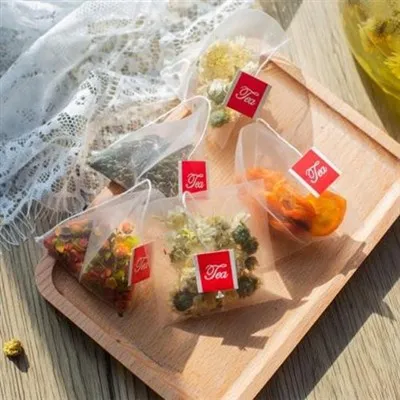
First, let’s get one thing straight: these bags aren’t just “paper.” The cheap thin paper you might find on a dollar-store coffee filter is way too porous, falls apart when wet, and lets fine grounds seep through, ruining your brew. Good empty drip bags are a blend of cellulose-based materials, but not just any cellulose. The primary material we and most reputable suppliers use is food-grade wood pulp, sourced sustainably from FSC-certified forests. Wait, wood pulp? Yes, but processed differently than regular paper. We don’t use the rough, low-grade pulp used for packing materials; instead, we break down softwood fibers (like pine or spruce) and hardwood fibers (like birch or eucalyptus) into a fine, uniform slurry. This mixture is then pressed into thin, non-woven sheets—this is the core structure of almost all empty coffee drip bags.
Why non-woven? Woven fabric would have gaps too big, or be too stiff to fold into the classic cone shape that hangs over a mug. Non-woven cellulose, on the other hand, is soft enough to conform to your mug’s rim, has tiny, consistent pores that let water flow at just the right rate—about 150 to 200ml per minute, which is the sweet spot for a balanced 10oz cup of coffee—and is strong enough to hold 20 to 30g of ground coffee without tearing, even when hot water is poured over it multiple times.
But there’s more to it than just cellulose. You’ll often see small amounts (usually 5% or less) of another material added: polypropylene. Wait, plastic in a coffee bag? Let me explain. Pure cellulose, while great, can get soggy and lose shape if you’re pouring a lot of hot water, or if you leave the bag hanging for a few extra seconds to let the last of the coffee drip. Adding a tiny bit of food-grade polypropylene (it’s the same safe plastic used in yogurt containers and reusable water bottles) gives the bag extra tensile strength. It prevents the edges from fraying, stops the base from sagging, and keeps the pore size consistent even when saturated. The amount is so small that it doesn’t affect the taste—we test every batch for off-flavors, and polypropylene at that percentage won’t leach anything into your brew. It’s a balance between sustainability (we still use mostly plant-based material) and functionality (no one wants a bag that breaks mid-brew).
Wait, are there exceptions? Some suppliers use 100% cellulose for “all-natural” claims, and that works too, but it’s usually only for single-serve bags that are designed to be used and drained quickly—great for pour-over at home, but not ideal for café use where you might need to brew multiple cups or hold the bag longer. We used to test 100% cellulose bags for our bulk orders a few years back, but we kept getting complaints about bags tearing mid-brew when baristas were in a rush. So we settled on the 95% cellulose, 5% polypropylene blend, which has held up better for both home and commercial use.
Another thing people ask: why don’t we use unbleached or chlorine-free material? That’s not just a marketing buzzword. Bleached paper uses chlorine compounds that can leave a slight chemical aftertaste, especially with delicate light roasts. All the empty drip bags we supply are unbleached, or use a ECF (elementary chlorine-free) bleaching process that uses oxygen and hydrogen peroxide instead of chlorine. That’s a key point—we don’t cut corners here. A bad taste from the bag can ruin a great coffee, so we prioritize materials that don’t impart any flavor. I’ve had customers tell me they switched to our bags from cheaper ones because their coffee tasted “cleaner” — that’s why.
Let’s talk about the pore structure too. The holes in the bag aren’t random. They’re sized to let water pass through, but block ground coffee particles. Fine grind coffee (the kind used for espresso, but some people use it for pour-over) is about 20 micrometers in diameter. The pores in our bags are around 15 to 18 micrometers—small enough to hold back almost all grounds, but large enough to let the soluble coffee compounds (caffeine, oils, flavor molecules) flow through. That’s a big part of why our brews are less bitter than when people use cheap filters. If the pores are too big, grounds seep through and make the cup gritty; too small, and the water flows too slow, leading to over-extraction and bitterness. We test each batch of material under a microscope to make sure the pore size is consistent—no mean feat, when you’re mass-producing thousands of bags.
Wait, what about the little string and tag that come with most empty drip bags? Those are usually made of the same blend, or sometimes 100% polypropylene—again, food-safe. The tag is just for branding, if you’re a café that wants to print your logo on it, which is a service we offer.
Let me also address a common misconception: some people think empty coffee drip bags are biodegradable. Our blend is 95% cellulose, which is plant-based and will break down in a compost pile in about 2 to 3 months. The 5% polypropylene is a small amount, so it still composts faster than a plastic bag, but if you’re looking for 100% compostable, we do offer a line of bags that use a corn-based PLA (polylactic acid) instead of polypropylene. That’s a more expensive option, but it’s perfect for customers who prioritize zero-waste. We did a trial with a local roaster last year, and their customers loved the all-natural compostable bags—so we kept them in our product line.
As a supplier, what matters most to me is that the material doesn’t get in the way of the coffee. I’ve seen too many competitors cut costs by using cheap paper that tears, leaches flavor, or lets grounds through. It’s not worth it. When a customer orders empty drip bags from us, they’re not just buying a bag—they’re buying a tool that lets their coffee shine. That starts with the material.
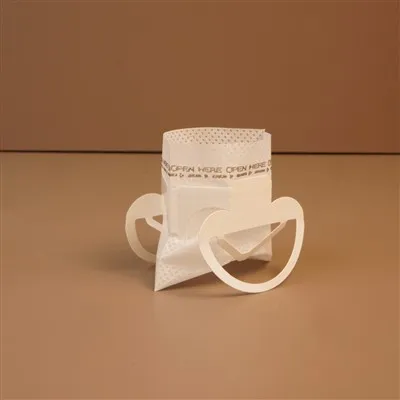
If you’re a home barista looking to test our bags, or a café owner wanting to bulk order for your menu, we’re here to help. We can customize bag sizes (small for 1 cup, large for 2 cups), print your logo on the tags, and offer both standard and compostable material options. Whether you’re looking to switch your current supplier, or need a reliable source for your drip bag needs, reach out to our team to discuss your requirements and get a quote.
Empty Coffee Drip Bag References:
- Coffee Filter Materials: A Comparative Analysis (Journal of Food Engineering, 2018)
- Food-Grade Polypropylene Applications in Food Packaging (FDA Food Additive Status List, 2022)
- Sustainable Cellulose Non-Wovens for Single-Serve Coffee Systems (Forest Products Journal, 2020)
- Compostable Polylactic Acid (PLA) for Disposable Food Packaging (Biodegradable Materials Research, 2021)
Hangzhou Wish Import & Export Trading Co., Ltd.
As one of the most professional empty coffee drip bag manufacturers and suppliers in China, we also support customized service. Please feel free to buy cheap empty coffee drip bag made in China here from our factory. For price consultation, contact us.
Address: Room 418, Yilong Business Building, Shangcheng District, Hangzhou City, Zhejiang Province
E-mail: chris@hzwishpack.com
WebSite: https://www.wish-ecopacky.com/
