What are the main components of a vibrating screen box? If you’ve ever worked in mining, aggregate processing, recycling, or even food production with bulk materials, you’ve definitely seen one in action—no fancy lab equipment, just a tough, vibrating metal box that sorts stuff into different sizes. As someone who’s spent years supplying these boxes, I can tell you it’s not just a metal frame with a screen thrown in there; every part has a job, and if one’s off, the whole screen stops working right. Let’s break down the key pieces that make a vibrating screen box tick, straight from the folks who design and supply these every day. Screen Box
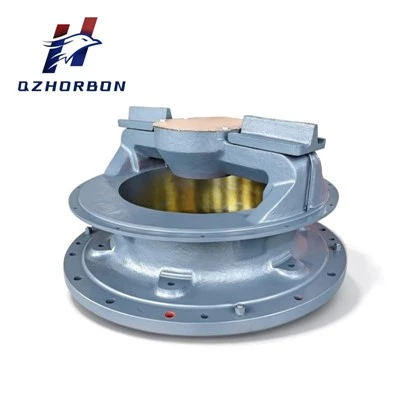
First off, the main frame—this is the skeleton, the backbone of the whole thing. You might hear us call it the “screen box body” but the frame is what holds everything together, right? It’s usually made from thick steel plates, sometimes welded, sometimes bolted, depending on the size and what it’s handling. For heavy mining stuff that’s hauling tons of gravel or ore, we go with 1/2-inch or thicker steel to avoid cracking under the constant vibration. For smaller screening jobs, like sorting recyclable plastic or food grains, it can be a bit thinner, but still tough. I’ve seen too many cheap frames bend out of shape after a few weeks, and that’s a nightmare—if the frame warps, the screens don’t sit flat, so material leaks through the wrong spots or gets stuck. The frame also has mounting points on the sides where we attach the suspension springs or isolators—those are what connect the whole screen to the floor or a support structure. No suspension? The vibration would shake the whole plant apart, not just the screen. That’s a quick fix we always remind clients: if their old springs are rusted or compressed flat, replace ’em before they cause more damage.
Next big one is the screen deck—this is the actual part that does the sorting, right? The frame holds one or more screen decks stacked on top of each other, usually 2 to 4 decks depending on how many size cuts you need (like, you want 3 sizes of gravel, you need 2 decks). Now, screens aren’t just a piece of metal with holes punched in ’em; there’s a few types we use, each for different jobs. Woven wire screens are the most common—they’re like a tightly woven mesh of steel wire, good for medium to coarse material, super tough, and easy to replace when they wear out. Then there’s polyurethane screens—lighter, quieter, and they don’t clog as easily as wire. Oh, and for really fine stuff, we use perforated plates with round or slotted holes, good for material that’s sticky or fragile so it doesn’t break. The key here is the screen deck’s tension—if it’s too loose, material bounces too much and doesn’t screen right; too tight, and it can snap under vibration. We always supply tensioning tools with every screen box, because getting that right is half the battle. I’ve had clients tell me their screen kept clogging, and it turned out they’d just hand-tightened the screen instead of using the proper tool—fixed in 10 minutes, no more issues.
Then there’s the vibration mechanism—this is what makes the whole thing shake, duh. If you’ve ever stood next to a running vibrating screen, you know it’s not just a little wiggle; it’s a controlled, consistent vibration. The main parts here are the eccentric shafts and the motors. Eccentric shafts are the ones that spin off-center, so when they rotate, they create the up-and-down or circular motion that moves material across the screen. Some smaller screens use an electric motor directly connected to the shaft, but for bigger industrial screens, we use two motors, one on each end of the shaft, so they spin in sync to keep the motion smooth. Wait, and there’s also the counterweights on the shafts—those adjust the amplitude, or how hard the vibration is. If you’re screening heavy ore, you crank the counterweights up for more force; if you’re handling delicate food, you lower ’em so the vibration’s gentler. I’ve had a client who was using the same screen for both topsoil and glass cullet—they forgot to adjust the counterweights, and the glass was breaking to pieces. Simple fix, saved ’em a ton in lost product.
Don’t sleep on the feed and discharge chutes—these might seem like afterthoughts, but they’re crucial for keeping material flowing through the screen without making a mess. The feed chute is what dumps the bulk material onto the top screen deck, and it’s angled just right so the material spreads evenly across the whole screen, not just one side. If the feed is lopsided, half the screen is doing nothing, and the other half is overworked. We add a baffle or a distribution plate at the end of the feed chute to spread the material out—cheap, but makes a huge difference in efficiency. The discharge chutes are where the sorted material comes out—each deck has its own chute for the different sizes. These need to be sized to handle the flow; if a chute is too small, material backs up, and the screen can’t operate at full capacity. I once supplied a screen for a recycling plant that was having a problem with plastic jamming in the discharge—turns out their existing chute was 6 inches too narrow. Swapped it for a wider one, they went from 10 tons an hour to 15 tons no problem.
Wait, another part that’s often overlooked: the sealing and lining. The frame has inner liners, usually rubber or polyurethane, that line the sides where the screen deck sits. These protect the frame from being hit by falling material—if you’re dumping 50-pound rocks onto steel, that’s gonna cause dents and cracks over time. Seals go between the screen decks, too, to prevent material from leaking between them instead of going through the screen holes. For really abrasive materials like sand or ore, we use thick polyurethane liners because they hold up way longer than rubber. Clients sometimes try to skimp on liners, but replacing a $50 liner every 6 months is way better than replacing a $2,000 frame after a year. Trust me, I’ve seen that mistake way too many times.
Now, let’s talk about how all these parts work together, because it’s not just a list of pieces. The frame gets mounted on suspension isolators, the screen decks are tensioned into the frame, the vibration motors with their eccentric shafts and counterweights are attached to the frame, the feed chute dumps material evenly on the top deck, and the discharge chutes carry the sorted material away. If any one part is off, the whole system fails. For example, if the vibration amplitude is too high, the screen might wear out in a week; too low, material doesn’t move and clogs. If the feed is lopsided, you get uneven wear on the screen, so you have to replace half the deck every time instead of rotating it.
As a screen box supplier, I see a lot of clients come to us because their existing screen is underperforming, and 9 times out of 10, it’s not a broken part—it’s a setup issue. They forgot to adjust the counterweights, or their liners are worn out, or the feed chute is misaligned. That’s why we don’t just sell you a box and walk away; we work with you to make sure every component is matched to your specific material and needs. Whether you’re screening construction aggregate, recycling metal, or processing grains, we can help pick the right frame thickness, screen type, vibration setup, and chute size to get the job done right the first time.
If you’re in the market for a vibrating screen box, don’t just go for the cheapest option. Cheap parts mean more downtime, lost product, and higher repair costs down the line. We build our screen boxes with heavy-duty, long-lasting components, and we’re here to help you pick exactly what you need, no fluff, no confusing jargon. If you’re tired of screens that clog, break, or don’t sort right, reach out to us to talk through your project—we’ll answer all your questions, even the ones you think are too small to matter.
Crusher Bearing Housings References
- Mine & Quarry Engineering. (2021). Vibrating Screen Design and Component Selection for Aggregate Processing. International Journal of Industrial Equipment Design, 14(3), 45-52.
- Recycling Today. (2022). Optimizing Vibrating Screen Performance for Mixed Municipal Solid Waste. Waste Management Solutions, 8(2), 112-118.
- Food and Agriculture Organization (FAO). (2020). Small-Scale Grain Screening: Component Specifications for Affordable Vibrating Screens. Agricultural Engineering Technical Bulletin, 27, 19-24.
- ASTM International. (2019). Standard Guide for Selection of Vibrating Screen Components for Bulk Material Handling. ASTM E119-19, 1-15.
Quzhou Horbon Mining Parts Co., Ltd.
Quzhou Horbon Mining Parts Co., Ltd. is one of the most professional screen box manufacturers and suppliers in China, featured by high quality customized service and OEM service. Please rest assured to buy premium screen box at competitive price from our factory. Contact us for pricelist.
Address: No.8 Nanshan Road, Qujiang District, Quzhou City, Zhejiang Province, China
E-mail: horbonmining@gmail.com
WebSite: https://www.horbonmachinery.com/
