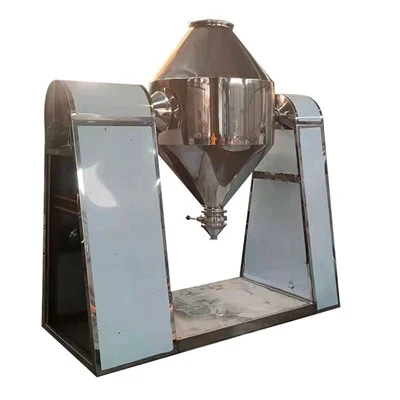
If you’re running a plant that uses horizontal mixers—whether it’s for concrete, animal feed, or even industrial powders—you know those machines don’t come cheap. But I’ve been a horizontal mixer supplier for over a decade, and the one mistake I see small to mid-sized operations make all the time is skipping proper lubrication. It’s not glamorous, it’s not the part of the job that gets anyone excited, but it’s the single biggest thing that keeps your mixer from dying prematurely, wasting product, or shutting down mid-batch when you’re already crunched for time. Let’s cut the corporate jargon and get real about how to do this right—no fancy tools, no confusing checklists, just what works. Horizontal Mixer
First, let’s get on the same page about what parts we’re actually lubricating. When I walk a new customer through a mixer, I don’t just point to the big motor or the mixing shaft. The key spots are twofold: the gearbox and the shaft bearings. That’s it. Sure, there are small greasers on the chain or pulley if your mixer uses one, but 90% of the wear and tear happens on those two parts. Let’s start with timing—when do you even do this? I see some guys lubricating every single shift, which is overkill, and some waiting 6 months, which is a disaster. Here’s my rule of thumb: run the mixer for 8 hours a day? Lubricate after every 100 operating hours. If you run it 24/7 (like some precast plants), cut that to every 50 hours. And before you ask—yes, check the manual. Not every mixer is the same, but that’s a solid baseline I give every new client that buys from me.
Now, let’s talk about the actual lubricant. This is where people mess up so bad. I once had a customer bring me their mixer that seized up completely after 3 months, and it turned out they used a regular multipurpose grease meant for their farm tractor. Huge mistake. Gearboxes and mixer bearings need specific stuff, not just whatever’s in the shop bucket. For gearboxes, use a high-viscosity industrial gear oil—think ISO 220 or ISO 320. If you’re operating in extreme cold, go for ISO 150; hot environments? Step up to ISO 460. For the bearings, a lithium complex grease works for most cases, but if you’re mixing anything that’s heavy on moisture (like wet concrete or silage), go with a water-resistant synthetic grease. Pro tip from my techs: never mix different types of grease or oil. If you switch brands or viscosities, flush the old stuff out first. I’ve seen that cause clogs that destroy a bearing faster than running the mixer without any lube at all.
Let’s break this down step by step, so you don’t miss anything. First, prep is key. You don’t want dust or leftover product getting into the lubrication ports while you’re working. Take a clean rag, wipe down all the grease zerks (that’s the little grease nipples you’ll find on the bearings) and the gearbox oil fill/drain plugs. If you skip this step, you’re just pushing crud into the machine, which is the opposite of what you want. Next, let’s do the bearings first. Grab your grease gun—make sure it’s compatible with the grease you’re using, no old, dried-out grease stuck in the barrel. Wipe the end of the zerk with that same clean rag, then attach the grease gun firmly. Don’t just gun it as hard as you can; slow, steady pressure works. You’ll feel the grease start to push in, and you’ll see a little bit of old grease seep out from the bearing seal. That’s when you stop. Over-greasing is a real thing—it causes the seal to blow out, lets dirt in, and wastes grease. For most horizontal mixers, that’s 10-15 pumps per bearing. Don’t forget the opposite side of the shaft, either.
Now the gearbox. This takes a bit more checking than just slapping grease on. First, make sure the mixer is turned off, unplugged, and locked out—safety first, always. Find the level sight glass on the side of the gearbox. If the oil is below the middle mark, you need to top it off. Unscrew the fill plug slowly—if it’s under pressure, oil might spray out, so stand back. Add oil little by little, check the sight glass often, until it hits the correct level. Don’t overfill it either—too much oil causes the gears to churn, generates heat, and breaks down the oil faster. If you need to change the oil completely, first drain the old oil while it’s warm (it flows better when warm, and takes more crud with it). Put a catch pan under the drain plug, unscrew it, let all the old oil drain out, then replace the drain plug, add new oil, and check the level again. I recommend changing gearbox oil every 6 months for standard use, every 3 months if you’re running heavy batches 24/7.
Wait, what about the chain and sprocket on mixers that use them? Yeah, some smaller horizontal mixers have a chain drive instead of a direct gearbox, so don’t skip that step. Use a lightweight chain lube, not the thick grease you use for bearings. Wipe the chain down first to remove dust and product buildup, then apply the lube evenly, making sure you get both sides of every link. Wipe off any excess after 10 minutes so it doesn’t attract more dirt. That’s a small part but it’s the first to go if you neglect it.
Let’s add a few common mistakes I’ve seen a million times, because these are the things that sneak up on you. First, checking the seals. Every time you lubricate, take a second to look at the bearing seals. If they’re cracked, leaking grease, or look worn, replace them right away. A $5 seal is way cheaper than a $1500 bearing. Second, keeping a log. I know, another chore, but write down when you lubricated, what type of oil/grease you used, and how many hours the mixer has run. This helps you catch if you’re over or under-lubricating, and it’s a lifesaver when something goes wrong (you can look back and see if you missed a lube step). Third, don’t wait for noise. If your mixer starts making a grinding or growling sound, that’s not normal—by then, the bearing is already damaged, and you’re looking at a repair that costs way more than a few bucks worth of grease.
I get it, as a supplier, I want you to get the most out of the horizontal mixer you bought from me (or anyone else, for that matter). Proper lubrication isn’t just a maintenance task—it’s how you avoid downtime, keep production on schedule, and save yourself thousands in repairs. I’ve seen customers do this simple thing and get 15+ years out of a mixer that would have died in 3 if they skipped lube. At the end of the day, it’s like changing the oil in your car—no one looks forward to it, but it’s the most important thing to keep the machine running.
If you have questions about what lubricant works best for your specific mixer model, or if you need parts like bearings, seals, or grease guns, feel free to reach out to our team. We work with all sizes of operations, from small farms to large industrial plants, and we’re happy to help you figure out a maintenance schedule that fits your needs. Don’t wait until your mixer breaks down mid-batch—stay on top of lubrication, and your equipment will pay for itself many times over.
Gyratory Dryer References
- Machinery Lubrication Magazine. "Best Practices for Lubricating Industrial Bearings", 2022.
- National Ready Mixed Concrete Association. "Preventive Maintenance for Concrete Mixing Equipment", 2021.
- Livestock Feed Industry Association. "Maintenance Guidelines for Horizontal Feed Mixers", 2020.
- ISO Standards. "Industrial Gear Lubricants: Viscosity Classification", ISO 3448, 2016.
Nanjing Huozao Machinery Technology Co., Ltd.
Nanjing Huozao Machinery Technology Co., Ltd. is one of the most professional horizontal mixer manufacturers and suppliers in China, also supports customized service. With abundant experience, we warmly welcome you to buy durable horizontal mixer for sale here from our factory. For price consultation, contact us.
Address: No.2, Kuailu Road, Longtan Street, Qixia District, Nanjing
E-mail: hz@huozaodryer.com
WebSite: https://www.huozaodryer.com/
