If you’ve ever walked the floor of a high-precision machine shop, you’ve probably heard a hundred debates about ER collets. Most folks in the industry know them as go-to workholding tools for milling, drilling, and routing—tight, repeatable grips that hold tooling firmly in a spindle. But lately, the question I get more than any other as an ER collet supplier is this: can ER collets actually be used for grinding? ER Collets
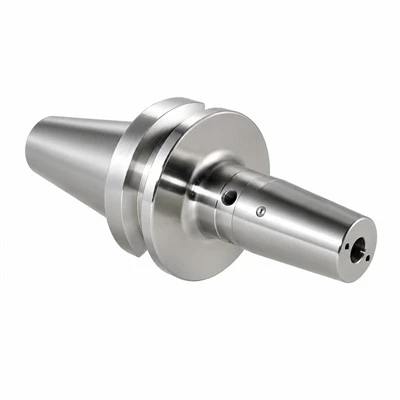
It’s a fair question. Grinding is a process that leans heavy on precision and stability, and tooling for grinding has very different requirements than, say, a 3/8-inch end mill. I’ve watched machinists test ER collets for grinding applications, and I’ve also seen the missteps that come from not understanding the limits of these tools. Let’s break this down, from the basics of how ER collets work, to where they can add value in grinding, and where they’ll fall short.
First, let’s recap what an ER collet is. At their core, they’re split, spring-like sleeves made from high-grade steel (usually alloy steel or tool steel) that taper on the outside. When you tighten a nut over them, the collet constricts evenly around a tool shank, creating a uniform, high-force grip. The design is built for concentricity—runout as low as 0.0001 inches for precision-ground ER collets, which is why they’re so popular for high-speed machining. For standard milling operations, that consistent grip means tooling doesn’t slip, and cuts stay accurate.
Now, grinding is a process of material removal using an abrasive wheel, and it’s used for everything from sharpening cutting tools to finishing complex metal parts. There are two main types of grinding you’ll see in a shop: surface grinding, where a flat wheel moves across a workpiece, and tool and cutter grinding, where you’re shaping the cutting edges of end mills, drills, or inserts. The latter is where ER collets start to come into play, but it’s not a one-size-fits-all fit.
Let’s start with where ER collets work for grinding. The biggest advantage is flexibility. ER collets come in a huge range of sizes, from 0.5mm up to 25mm or more, so you can hold small grinding wheels and arbors that are common in tool grinding setups. A lot of small shop owners and tool regrinders don’t want to invest in a dedicated grinding workholding system—think custom fixtures or hydraulic chucks that only work for one specific tool size. ER collets can swap out in minutes, which is a huge time saver for low-volume or custom grinding jobs.
Another win: concentricity. Precision ER collets, especially the Grade 0.5 or Grade 1 variants we supply, hold runout to extremely tight tolerances. For grinding small, high-precision tools—like a 1/8-inch end mill’s flutes, which need to be perfectly aligned—that low runout means the abrasive wheel doesn’t wander. I’ve seen a shop that grinds custom dental burs use ER collets and cut their setup time in half compared to their old custom holders, because they can swap out a collet for a different bur shank in seconds, instead of resetting a fixture.
There’s also the speed factor. High-speed grinding often involves running abrasive wheels at 10,000 to 50,000 RPM, and ER collets handle that range well—when sized correctly and mounted right. The uniform constriction of the collet means the tool shank is centered perfectly in the spindle, so there’s no imbalance that would cause excessive vibration at high speeds. That vibration is what leads to chattering on ground surfaces, which ruins finish and accuracy, so being able to run smooth at high speeds is a big plus here.
But here’s the catch: ER collets aren’t built for heavy grinding applications. Let’s talk about force. When you’re doing heavy material removal, like grinding a thick steel workpiece with a large abrasive wheel, the cutting forces are much higher than in milling. ER collets rely on spring tension to grip the tool. That tension is strong, but it’s not as consistent or as high as what you get with dedicated grinding workholding—like hydraulic chucks or mechanical keyless holders that use additional clamping force. If you push an ER collet too hard in heavy grinding, it can slip. I’ve had customers come to me with bruised tool shanks after grinding a 1-inch steel bar with an ER collet that wasn’t rated for that much force— the collet constricted too much, deformed the shank, and the tool slipped, leaving an uneven grind mark.
Heat is another issue. Grinding generates a lot of heat, which can soften the steel of the ER collet over time. Standard ER collets are heat-treated to around 48-52 HRC, which works for most machining applications, but extended exposure to grinding heat (especially if you’re running high feed rates or dry grinding without coolant) can lower that hardness. A soft collet won’t constrict as evenly, so runout goes up, and the grip weakens. For tool and cutter grinding, where you’re working for shorter periods, that’s not a big problem, but for continuous heavy surface grinding, ER collets just don’t hold up.
There’s also the limit on tool shank size. While ER collets come in many sizes, they’re designed for cylindrical tool shanks. If you’re grinding a workpiece with an irregular shape—like a cast part that doesn’t have a uniform shank—you can’t use an ER collet at all. They only work on parts that have a straight, round shank that can fit inside the collet’s opening. That rules out a lot of general surface grinding jobs, but it’s not a problem for tool grinding, where almost all cutting tools have standard cylindrical shanks.
Another common misconception: all ER collets are the same for grinding. A lot of shops grab a cheap, standard ER collet for their grinding setup and wonder why it doesn’t work. The truth is, you need a collet that’s precision-ground specifically for holding abrasive tooling. We supply collets that have a smoother inner surface and tighter concentricity tolerances than standard collets— that way, there’s no gap between the collet and the tool shank, even when the collet is tightened. A cheap collet might have a small imperfection in the split, so when you tighten the nut, one side constricts more than the other, leading to runout that ruins your grind.
I’ve also seen shops try to modify ER collets for grinding— like adding a set screw to hold the tool shank tighter. That sounds like a fix, but it’s a bad idea. A set screw will create a point load on the tool shank, instead of the uniform grip the collet is designed for. That can cause the shank to bend or crack under pressure, and it increases runout. I had one customer try this for their tool grinding setup, and he ended up breaking three end mills in a week because the set screw didn’t hold the shank evenly.
So, to answer the original question: yes, ER collets can be used for grinding—but only for specific types of grinding, and only if you choose the right collet and use it correctly. The sweet spot is tool and cutter grinding, small abrasive wheel grinding, and low-to-medium feed rate grinding jobs where setup time and concentricity matter more than extreme clamping force. They’re not a replacement for dedicated grinding holders in heavy-duty applications, but they’re a cost-effective, flexible solution for a lot of small and medium shops.
Let’s talk about best practices if you’re going to use ER collets for grinding. First, invest in high-precision collets, not the $5 ones you can buy at a home improvement store. Look for collets with a concentricity rating of 0.0002 inches or better—we offer Grade 0.5 ER collets that hit 0.0001 inch runout, which is perfect for grinding. Second, make sure you’re using the right collet size for your tool shank. A collet should fit snugly, but not be forced onto the shank—if you have to hammer it on, it’s the wrong size. Third, use coolant. Grinding without coolant generates a lot of heat, which wears out collets faster and can warp tool shanks. Even a small amount of flood coolant will keep the collet hard and maintain consistent grip. Fourth, check your collets regularly. Over time, the split in the collet can wear out, or the taper can get dull from repeated use. If you notice runout going up, or the collet not gripping as tight as it used to, it’s time to replace it.
Now, if you’re a shop owner or machinist trying to decide if ER collets are right for your grinding, here’s a quick checklist to run through. Are you grinding tools with standard cylindrical shanks? Is your grinding job low to medium feed rate? Do you need to swap tooling sizes quickly? If you answered yes to those, ER collets are a great option. If you’re doing heavy surface grinding on irregular workpieces, or running grinding wheels above 50,000 RPM without proper balancing, you’re better off with a dedicated grinding holder.
As an ER collet supplier, I’ve helped dozens of shops make the switch to ER collets for their tool grinding, and almost all of them have seen faster setup times and more consistent grind quality. But I also work with shops that tried to use them for heavy grinding and ran into problems, so I’m always honest about the limits. If you’re curious about how ER collets might work for your specific grinding setup, or want to talk about what size and grade of collet would fit your tools, I’m here to help. No hard sell—just practical advice based on what I’ve seen work in hundreds of shops.

At the end of the day, ER collets are a versatile tool, but they’re not a one-trick pony. They excel in certain areas of grinding, especially when flexibility and precision are top priorities, but they’re not meant for every grinding job. The key is knowing when to use them, and when to reach for a different workholding solution. If you’re ready to explore how ER collets can fit into your grinding process, get in touch to discuss your requirements.
Petroleum Pipe Thread Tools References:
- Machinist’s Guide to Workholding, SME (Society of Manufacturing Engineers), 2021.
- ER Collet Design and Application Standards, Industrial Tooling Association, 2022.
- Precision Grinding Workholding Best Practices, Modern Machine Shop, 2023.
- Heat Treatment Effects on Collet Performance for High-Speed Machining, Journal of Manufacturing Processes, 2020.
Shun Wei Precision Technology Co., Ltd.
Address: Room901, Building2, Yijing Apartment, Northeast side of the intersection of Central Avenue and East Fifth Road, Tianjin Free Trade Zone (Airport Economic Zone)
E-mail: sale@sw-csd.com
WebSite: https://www.tjswprecisiontool.com/
