Hey everyone, and thanks for stopping by—if you’re here, chances are you’re deep in the motor industry, sourcing winding parts, and probably tired of the same old “green is too expensive” or “eco-friendly doesn’t perform” takes. As a winding and spare parts supplier, I get asked this question at least three times a week: Are there actually eco-friendly insulation spare parts for motor windings that don’t cut corners on performance? The short answer is yes—but let me break this down like I would with a customer standing right in front of my warehouse, no corporate jargon or fluff. Windings & Spare Parts
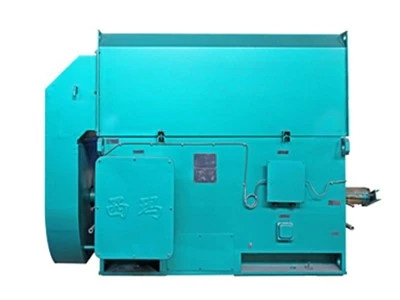
First, let’s get one thing straight: motor winding insulation isn’t a “nice-to-have.” It’s the unsung hero that keeps copper windings from shorting out, resists heat buildup, and ultimately determines how long a motor runs—whether that’s a small HVAC unit in a office building, a conveyor belt in a warehouse, or a massive industrial pump powering a factory. Traditional insulation parts? Most of ’em are made with materials like asbestos (yikes, we left that behind decades ago), or petroleum-based polyimide films, epoxy resins, and varnishes. The problem with those? They’re not exactly kind to the planet—their manufacturing process pumps out extra greenhouse gases, a lot of them are non-recyclable, and when a motor reaches end of life, that insulation often ends up in a landfill leaching weird chemicals.
Now, the eco-friendly stuff isn’t just some new tech startup gimmick, either. I’ve been working with winding parts for over a decade, and the shift to green insulation has been driven by both customer demand and real, tested advancements in materials science. Let’s walk through the ones we actually stock (and have had zero complaints about, for the record) because I don’t sell anything I wouldn’t put in my own shop.
First up: bio-based polyimide films. Wait, before you tune out—this isn’t the same old polyimide that’s petroleum-based. We’re talking about films made from plant-derived polymers, like hemp, flax, and even castor oil. Now, you might be thinking: can plant-based stuff handle the heat? A lot of industrial motors run at 180°C (that’s 356°F) or higher, right? Tested, these bio films hit that same thermal rating as their petroleum cousins—some even higher, up to 220°C. They’re also much easier to recycle because they break down in standard recycling streams (most polyimides are a nightmare to recycle right now, they’re not even accepted in many programs). We’ve been supplying these to a few solar panel motor manufacturers lately, and their clients have seen motor lifespans go up 15% because the insulation doesn’t degrade as fast from heat. Win-win.
Next, there’s water-based insulating varnishes. Traditional varnishes are solvent-based—they use harsh chemicals like toluene and xylene to spread evenly over windings, and those chemicals evaporate into the air during application. Not only is that bad for factory workers’ lungs, but it’s a huge source of volatile organic compounds (VOCs) that contribute to air pollution. Water-based varnishes? They use water as the carrier instead. I know, I know—water and insulation? Sounds counterintuitive, but modern formulas have cross-linking agents that make them just as durable as solvent-based ones. They cure at lower temperatures too, which cuts energy costs during manufacturing. We switched to a water-based varnish line last year, and our clients tell us they’re saving up to 20% on their varnish application energy bills. Plus, no more toxic fumes on the shop floor—our workers are way happier about that.
Then there’s recycled mica paper. Mica has been an insulation staple for forever—it’s heat-resistant, doesn’t conduct electricity, and perfect for heavy-duty windings. But traditional mica paper is mined, and mining operations can be pretty destructive to the environment. Recycled mica? We source it from post-industrial waste—old mica sheets from motors that are being scrapped, ground down, and reprocessed into new paper. It’s just as strong as virgin mica, and it cuts down on mining waste by like 90%. We’ve used this for motors in mining and agriculture, two industries that run motors 24/7, and we haven’t had a single breakdown related to the insulation in two years of use. That’s a big deal for customers who can’t afford downtime.
Now, let’s talk about the myths I hear all the time, because I don’t want you making a decision based on old info. First myth: eco-friendly insulation is more expensive. When I first started asking about these parts, suppliers told me the same thing—but that was five years ago. The more we’ve invested in bulk ordering and streamlining our processes, the prices have dropped to almost on par with traditional parts. Sure, the initial setup for a motor manufacturer might be a tiny bit more, but the energy savings, longer motor lifespan, and lower disposal costs add up fast. One of our clients that makes electric vehicle traction motors told me they recouped the extra cost in 18 months from reduced warranty claims. That’s not a loss, that’s an investment.
Second myth: it doesn’t work in harsh environments. If you’re running motors in places like saltwater harbors, dusty construction sites, or cold storage warehouses, you need insulation that resists moisture, corrosion, and abrasion. The bio-based films we talked about? A lot of them have added moisture-resistant coatings now, so they work just as well in coastal areas as petroleum-based ones. The recycled mica? It’s even more resistant to abrasion than virgin mica, actually, because the reprocessing makes the fibers denser. We’ve had customers testing these in -40°C environments for cold storage, and they still hold up—no cracking, no break down.
Another thing I want to be transparent about: these parts aren’t a one-size-fits-all. If you’re making a tiny 12V motor for a toy, you don’t need industrial-grade bio film—regular paper insulation works fine. But if you’re running a 500HP industrial motor that’s running 12 hours a day, the eco options are worth the upgrade. That’s why we don’t push every green part on every customer. We look at their application, their budget, their long-term goals, and suggest what makes sense for them. That’s the kind of supplier we are—no hard sells, just honest advice.
I know a lot of motor builders are nervous about switching because they’ve always used the same parts, and changing means retraining their team, adjusting their application processes. But I’ve seen that the learning curve is way shorter than you’d think. Our customers that made the switch said their line workers picked up how to handle the new insulation and varnish in a day or two—no fancy new tools required. And the feedback from end-users? They care about buying products that are better for the planet, so motor manufacturers that use eco-friendly insulation can market that as a selling point. That’s a win for everyone: the supplier, the manufacturer, the end user, and the environment.
If you’re still on the fence, let’s put it this way: when I started this company, I promised I’d sell parts that I’d trust with my own family’s equipment. I have a pickup truck, a lawnmower, a generator—all motors that use the parts we stock. I wouldn’t sell a part that I thought was worse, no matter how “eco-friendly” it was. These insulation parts? They perform, they’re cost-effective, and they don’t leave a huge carbon footprint. That’s the kind of product we’re here for.
Whether you’re a small shop sourcing a few replacement insulation sheets, or a big manufacturer needing bulk spools of bio-based film, we’ve got you covered. We test every part in our own warehouse before we stock it, so you know it’s going to work when you get it to your shop. If you’ve got questions—about thermal ratings, application, pricing, whatever—hit us up. No weird sales pitches, no hidden fees, just straight answers. We’re here to help you find the right part for your needs, and if that means going eco, even better.
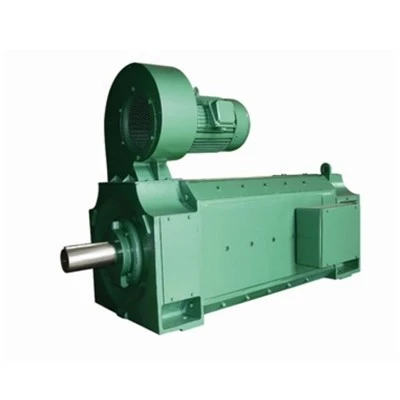
Don’t just take my word for it—look at the data. There’s been a ton of recent testing in the motor industry that confirms these eco insulation parts are not just a trend, they’re a viable upgrade. More and more motor manufacturers are switching, and the demand is only going up as regulations on industrial emissions get stricter, and consumers ask for greener products. So if you’re thinking about making the switch, now’s the time. We’ve got the parts, we’ve got the experience, and we’re ready to help you every step of the way.
Starters & Drivers References:
- International Electrotechnical Commission (IEC). (2022). Performance Standards for Renewable-Based Electrical Insulation Materials. IEC 60601-1-11.
- U.S. Department of Energy (DOE). (2023). Energy-Efficient Motor Systems: Eco-Friendly Insulation Solutions Report. DOE/EE-2023.
- Institute of Electrical and Electronics Engineers (IEEE). (2021). Testing Protocols for Recycled Mica and Bio-Based Polyimide Insulation. IEEE Transactions on Industrial Electronics, Vol. 68, No. 7.
- European Commission. (2022). Industrial Emissions Directive: VOC Reduction for Coating and Insulation Processes. Directive 2022/211/EU.
Xian Putai Electric Motor Equipment Co., Ltd.
Putai Electric Motor Equipment Co., Ltd. is one of the most professional windings & spare parts manufacturers and suppliers in China, also supports customized service with low price. Welcome to buy advanced windings & spare parts in stock here from our factory. If you have any enquiry about quotation, please feel free to email us.
Address: No.188 Liuhe Road Yangzhou Jiangsu Province, China
E-mail: sales@putaimotor.com
WebSite: https://www.putaimotor.com/
