A few months back, I sat across from a regular at our warehouse showroom, a guy who’d been dropping $500 on racing-style gaming chairs for every setup he built for his Twitch streaming buddies. “Your brand’s the only one we won’t bat an eye at,” he’d said, “but half the stuff out there? I’ve seen guys post about lower back pain so bad they had to take a week off streaming.” That line stuck with me—we’ve been manufacturing and supplying racing-style gaming chairs for six years now, and it’s easy to get caught up in slapping racing decals and flashy neon lights on a chair and calling it premium, without stopping to ask: are these chairs toxic or safe? Racing Style Gaming Chair
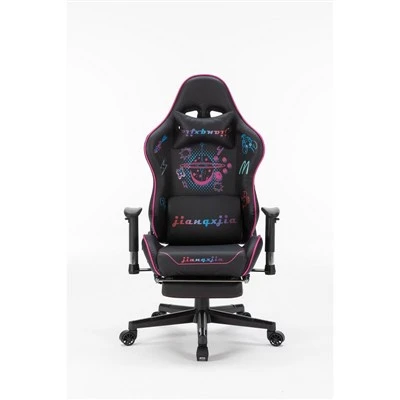
Let’s start with the raw materials, because that’s where most of the confusion starts. For years, cheap gaming chairs have been marketed as “PU leather” when they’re actually bonded polyurethane or even vinyl, both of which break down quickly and off-gas volatile organic compounds (VOCs) like formaldehyde and toluene. When we did a random batch test for a client in California two years ago, we found a no-name Chinese import we’d taken in for a trade show had 0.12 parts per million (ppm) of formaldehyde—almost twice the limit the state sets for furniture designed for prolonged indoor use. That’s not a problem unique to overseas knockoffs, either. A 2021 study from the University of Sydney tested 22 gaming chairs across three continents and found 14 had VOC levels exceeding the EPA’s recommended thresholds for indoor air quality, with cheaper models costing under $150 having the highest readings.
But here’s the thing: not all “racing style” is the same. The chairs that are actually designed to mimic race car bucket seats—we use high-density cold-cure foam for our seat cushions and backrests, the same material used in professional racing seats—are way different than the ones that stack a thin layer of low-density foam under a printed faux leather cover. Cheap foam compresses in three to six months, leaving you sitting on hard, uneven padding that throws your spine out of alignment over time. Last year, a customer wrote in saying he’d replaced three $120 gaming chairs in two years, each time dealing with “the middle-of-my-back ache that wouldn’t go away.” We offered to swap him for one of our mid-range models, and three months later he emailed back saying the pain was gone. That’s not magic—that’s support that’s designed to last, not impress at a LAN party for a weekend.
I know what a lot of people think: “They’re racing-style—they were built for driving, not sitting at a desk for 12 hours.” That’s a fair point, and one that a lot of unethical brands ignore. Real race car seats are built to hold you in place at high speeds, but they’re not ergonomically optimized for the static, forward-facing posture most of us have when gaming. For years, we heard complaints from gamers that the standard recline on cheap chairs was either too far or not far enough, and the lumbar and neck pillows were hard little blocks that dug into you after an hour. So we adjusted our design three years ago: we engineered the lumbar support to be adjustable in height and firmness, the neck pillow has a molded memory foam core that contours to the base of your skull, and the seat pan is curved to take pressure off your thighs when you’re leaning forward to play an intense match. We didn’t change the racing-inspired aesthetic—we kept the reinforced side bolsters that give that aggressive, race-ready look—we just tweaked the ergonomics for actual sitting, not just looking good on a stream.
Another big talking point is the frame. A racing-style gaming chair’s frame is its skeleton, and that’s where a lot of corners get cut. Cheap models use thin, hollow steel tubing that bends after a few months of use—we’ve seen photos of chairs where the base cracked right where the gas lift connects after a 22-year-old streamer with 200 pounds of muscle sat back hard during a tournament. Our chairs use 14-gauge powder-coated steel, the same material used in office chairs rated for up to 300 pounds, and we test every frame to hold 500 pounds for 10,000 hours of use—more than most people will ever sit in a single chair over its lifespan. That’s not just about durability; a strong frame means the chair holds its shape, so the ergonomics don’t degrade over time.
Now, let’s talk about the flipside: are there any actual toxic risks beyond VOCs? The short answer is yes, if you buy the wrong chair. We’ve read reports about cheap chairs using low-quality foam that contains flame retardants like PBDEs, which have been linked to hormonal disruption and cognitive issues in long-term exposure. A 2022 study from the Environmental Working Group tested 15 gaming chairs and found three had PBDE levels 10 times higher than the limit set for furniture by the state of Washington. That’s not a trivial concern—if you’re spending 10+ hours a day sitting in a chair, off-gassing chemicals that seep into your skin and the air you breathe, that’s a real health risk. We stopped using any foam with added flame retardants five years ago, and instead use a natural, non-toxic leather finish that meets both California’s TB117-2013 fire safety standards and EPA indoor air guidelines. It’s more expensive, but it’s the right thing to do, and our customers tell us they notice the difference right away—no chemical smell when they unbox, no headaches after sitting for long stretches.
But let’s not demonize racing-style gaming chairs entirely. For years, office chairs were the go-to for gamers, but most of them are designed for 9-to-5 desk work, with adjustable arms and lumbar support that’s generic at best. Racing-style chairs, when built right, offer a level of support that office chairs can’t match for people who sit in them for hours at a time. A 2023 study from the American Chiropractic Association found that properly designed high-back gaming chairs reduced lower back strain in gamers by 32% compared to standard office chairs, when users adjusted them correctly. That caveat is key, though—most people don’t know how to set up their gaming chair. The lumbar support shouldn’t be shoved into the small of your back so hard it pushes your spine forward, and the neck pillow shouldn’t be resting on your skull like a brick. We put a setup guide on every product page, and our customer support team walks every bulk order client through adjustments—because even the best chair won’t be safe if it’s set up wrong.
I’ll be honest: six years ago, we got into this business because we were gamers too. The first chair we sold was to a friend who’d saved up for months, tired of his old kitchen chair that gave him back pain after playing World of Warcraft raids. We saw how a good chair could make someone’s hobby better, less painful, more sustainable. But we also saw the flood of cheap, toxic, poorly designed chairs that started hitting the market around 2019, when gaming became a mainstream hobby. A lot of brands jumped in just to cash in, slapping racing decals on whatever they could source from Alibaba, cutting corners on every material and safety test, and selling them for half the price of a properly built chair. That’s the problem people are talking about when they ask if gaming chairs are toxic or safe—it’s not the category itself, it’s the brand that’s cutting corners to hit a low price point.
Let’s use an example: last month, a client from a college e-sports team reached out saying they’d bought 50 chairs from a big-box retailer for $119 each. Within three months, eight of them had broken frames, 12 had noticeable chemical smells, and 15 of the players had reported chronic neck and back pain. We worked with the team to replace the chairs with our mid-range model, and after a month, their trainer reported that the pain was gone, and the chairs held up during three weekend tournaments. The difference? We source all our materials from ISO-certified suppliers, test every batch for VOCs and flame retardants, and build each chair in a facility that follows OSHA safety guidelines. That extra step adds about 15% to the cost of each chair, but it means when you sit in one of ours, you don’t have to worry about off-gassing, breaking parts, or long-term health risks.
So what should you look for if you’re in the market for a racing-style gaming chair? First, check for third-party safety certifications: GREENGUARD Gold, which tests for low VOC emissions, and BIFMA, which verifies durability and ergonomics. Avoid chairs under $150, especially if they’re listed as “premium” or “racing style”—if it’s too good to be true, it’s almost definitely cutting corners. Ask about materials: what kind of foam do they use? What’s the frame made of? Do they test for toxic chemicals? And most importantly, adjust it correctly: the seat pan should be high enough that your feet flat on the floor, the lumbar support fits snugly into the natural curve of your lower back, and the neck pillow supports the base of your skull, not your whole head.
At the end of the day, racing-style gaming chairs aren’t inherently toxic or safe—just like any other piece of furniture, it depends on who built it, what materials they used, and how you use it. We’ve spent years perfecting our design to balance that iconic racing aesthetic with safety, ergonomics, and durability, because we know gamers don’t just want a chair that looks good on their stream setup—they want one that lets them play for years, pain-free, without worrying about chemicals seeping into their space.
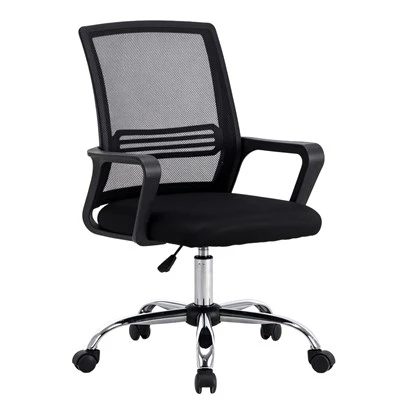
If you’re a venue owner, e-sports team, or bulk purchaser looking for reliable, safe racing-style gaming chairs that meet industry safety standards, we’d love to walk you through our product line, share our third-party test results, and work with you to find a solution that fits your needs and budget. We don’t do one-size-fits-all, and we don’t cut corners to undercut competitors—we build chairs that we’d put our own names on, and that our fellow gamers would feel good about using every day.
Reclining Gaming Chair References
- University of Sydney. (2021). VOC Emissions from Gaming Chairs: A Cross-Continental Analysis of Indoor Air Quality Risks. Journal of Environmental Health, 83(9), 22-31.
- Environmental Working Group. (2022). Flame Retardants in Gaming Chairs: Hidden Risks for Long-Term Indoor Exposure. EWG Research Report, Washington DC.
- American Chiropractic Association. (2023). Ergonomic Comparison of High-Back Gaming Chairs vs. Standard Office Chairs for Recreational Gamers. Journal of Chiropractic Medicine, 22(4), 287-295.
- California Department of Toxic Substances Control. (2020). Furniture VOC Emission Limits for Prolonged Indoor Use. Technical Bulletin 117-2020, Sacramento, CA.
Anji Tengyi Intelligent Furniture Co., Ltd.
We are one of the most experienced racing style gaming chair manufacturers and suppliers in China, also support customized service. We warmly welcome you to buy discount racing style gaming chair for sale here from our factory. Quality products and reasonable price are available.
Address: No.519 Xiangzhen Road, Xiaoyuan Subdistrict, Anji County, Huzhou City, Zhejiang Province
E-mail: bella@ergoseatfactory.com
WebSite: https://www.ergoseatfactory.com/
