Hey everyone, it’s Jake here from that 300D Oxford fabric supplier you’ve probably seen hanging around the trade shows and Instagram reels of small-batch gear makers. Lately, I’ve been getting so many DMs—like, way more than usual—asking what the big deal is with 300D Oxford fabric, and why everyone’s swearing by it for everything from backpack liners to pet beds, tote bags to outdoor gear. I get it, there are tons of fabric specs out there, and “denier” can sound like some fancy code only engineers get. Today, I’m breaking down the real, practical advantages of 300D Oxford from a guy who’s actually tested this stuff in our warehouse (and has had a few customers come back saying their gear’s been holding up for years). Let’s cut the jargon, yeah? First off, what even is 300D Oxford? Quick, no-bullshit definition: “300D” refers to denier, which is the unit for how thick or heavy a single filament of fiber is—lower denier = thinner filament, higher = thicker. Oxford fabric, for those who don’t know, is that basket-weave pattern that makes it feel way more rugged than plain polyester, right? It’s not flimsy poplin you use for a Halloween costume; this is the stuff that’s built to take a beating. Let’s start with the biggest win for people who make or use products that need to hold up: durability, but not in the over-the-top, “it can survive a tornado” way. I’ve seen so many fabric suppliers brag about 1000D being unbreakable, but that’s overkill for most people. 300D hits that perfect sweet spot. Last month, a customer who makes custom dog crates sent us a photo of a liner he’d made 2 years ago out of our 300D Oxford—his Great Dane had been dragging it around, chewing the corners a little (don’t get me started on that Great Dane phase), and there wasn’t a single fray or hole. Why? That tight Oxford weave locks the fibers together. Unlike plain polyester, which can snag and tear easy, the basket weave means every thread is interlocked, so if something does catch (like a nail from a tent stake, or a pet’s claw), it doesn’t run the whole length of the fabric. We test every batch in our warehouse, actually—we do a little abrasion test where we rub a fabric swatch back and forth on a rough surface 10,000 times (we used to have a weird competition with the local gear shop to see who could wear through fabric faster, don’t judge), and 300D barely shows a mark. Compare that to, say, 150D, which is super lightweight but would get a hole in that same test after 1,000 rubs. It’s not just tough, it’s also scratch-resistant, which is why so many people use it for backpacks, especially the ones for hiking or school. No more tearing when you toss your books or water bottle in there, no more snags from tree branches or park benches. That’s not nothing. Next up: versatility, because 300D Oxford isn’t a one-trick pony like some fabrics. People always ask me, “What can I even make with this?” and the answer is… literally a ton of stuff. We supply to everyone from small batch bag makers to big-name outdoor gear brands, and their products range from cooler liners (wait, that’s another good one—we’ll get to water resistance in a sec) to medical equipment covers, pet gear, tote bags, even small boat covers. Why does it work for all of that? It’s light enough that you don’t feel like you’re carrying extra weight, but heavy enough that it doesn’t feel flimsy. If you’re making a tote bag you want people to carry to the grocery store every week, you don’t want something so heavy it weighs down your apples, and you also don’t want something that tears if you load it up with 5 cans of beans and a watermelon. 300D checks both boxes. We also get a lot of requests from costume makers, believe it or not—because it holds its shape really well. If you’re making a knight’s armor tunic or a superhero cape, you don’t want it to go all wrinkly and saggy after one wear, and Oxford weave gives it that structured feel without being stiff. Plus, you can dye it like a dream, which is why you see it in every color under the sun from neon pink to military green. A lot of fabrics either don’t take dye evenly or fade after a few washes, but our 300D is treated to keep the color bright, which is a huge plus for anyone who doesn’t want their product looking washed out after 3 months. Now, let’s talk about something everyone cares about, especially for products that are meant to keep stuff safe: water resistance, but not the fake kind that washes off after one rainstorm. A lot of cheap polyester fabrics are labeled “water resistant” but that just means they repel a little light spray. Our 300D Oxford? We can coat it with a polyurethane (PU) or polyvinyl chloride (PVC) layer (depending on what the customer needs) that makes it seriously water resistant—like, if you set a cup of water on it, it beads up and rolls off, no seepage. And here’s the thing: that coating doesn’t ruin the fabric’s breathability. Wait, hold on, a lot of people think water resistant = not breathable, right? Like a rain jacket that makes you sweat through. But 300D Oxford, even with a light PU coating, still lets a little air pass through. That’s why it’s perfect for cooler liners—you don’t want your sandwich getting soggy, but you also don’t want that liner to trap all the condensation and make your cooler smell musty. We had a customer last summer who sells custom lunch totes, and he switched to our 300D from a thinner 200D because his customers were complaining that their old totes would get moldy inside. Since switching, he’s gotten zero mold complaints. That’s a real win. It’s also great for outdoor gear, like small canopy covers or patio cushion covers—light rain doesn’t soak through, and it’s easy to wipe clean. Just a quick note: if you need it fully waterproof for heavy downpours, we can do a heavier PVC coating, but for most people, the standard PU coated 300D is more than enough. It’s way better than thin nylon, which soaks through in 5 minutes of rain, no question. Another big advantage that I don’t hear enough people talking about: it’s budget-friendly, without being cheap. Let’s be real, most small businesses or individual makers aren’t rolling in cash, and you don’t want to spend $20 a yard on fabric if you don’t have to. 300D Oxford is priced so that it’s accessible for startups and hobbyists, but it doesn’t skimp on quality. I see so many new makers go for the cheapest fabric they can find, and then their product falls apart after a month, and they have to start over. That’s a waste of money. With 300D, you get a fabric that lasts way longer than thinner, cheaper options, and the price is way lower than higher denier fabrics like 600D or 1000D. For example, if you’re making 100 backpacks, using 300D will save you a few bucks per yard, and your backpacks will still hold up just as well (if not better, because overkill isn’t always better). We also offer bulk discounts, obviously, but even if you’re just a hobbyist making 5 tote bags for your friends, you can get small quantities without getting ripped off. I’ve had customers tell me that they used to buy 150D for their small projects, but switching to 300D meant they didn’t have to replace their products every few months, so they actually saved more money in the long run. That’s the hidden value right there. Wait, let’s not forget about maintenance, because no one wants to buy fabric that’s a pain to clean. 300D Oxford is super easy to care for. It’s machine washable, as long as you use a mild detergent and don’t use super high heat (which is true for most fabrics, tbh). We’ve had customers wash their dog crates liners, backpacks, and even tote bags hundreds of times, and the fabric still looks good—no fading, no fraying, the weave doesn’t break down. It also resists stains really well, especially if it’s coated. If you spill coffee or soda on a 300D Oxford tote, just wipe it off with a damp cloth, no need to scrub. That’s a huge plus for anyone who uses their products regularly and doesn’t want to spend hours cleaning them. I’ve even had a customer who uses our fabric for his work apron—he’s a carpenter, so he gets sawdust, grease, and paint on it every day. He just sprays it off with a hose when he gets home, and it looks like new. Insane, right? Now, let’s address the elephant in the room: is 300D Oxford right for every project? No, obviously. If you’re making a pair of underwear, you want something soft and breathable like cotton or modal, not 300D. If you’re making a tiny jewelry pouch, 300D would be way too bulky. But for 90% of the practical, everyday products that people make or use, it’s perfect. It’s not too heavy, not too flimsy, not too expensive, and it does what it’s supposed to do—hold your stuff safe, last a long time, and stand up to whatever you throw at it. A lot of people ask me why I only deal with 300D, not other deniers, and it’s because I’ve tested all of them. 200D is too thin, frays too easy. 400D is way more expensive, and most people don’t need that extra thickness. 300D is the sweet spot, plain and simple. We’ve been supplying 300D Oxford for 7 years now, and we haven’t had a single batch that’s come back with a defect that was our fault. We test every roll for weave tightness, color fastness, and coating durability, so you know what you’re getting when you order from us. At the end of the day, this fabric isn’t just some random material—it’s the stuff that makes your everyday gear last. Whether you’re a small business owner looking for reliable fabric for your new line of backpacks, a hobbyist making custom pet beds, or even someone who just wants to make a durable tote for yourself, 300D Oxford is worth checking out. If you’re curious, we can send you free swatches (no strings attached, I swear—we just want you to test it for yourself) so you can rub it, bend it, spill coffee on it, see how it holds up. And if you have any questions about quantities, coatings, or customization, just reach out—we’re here to help, not just sell fabric. If you’re looking for a reliable, high-quality 300D Oxford fabric supplier for your next project, don’t hesitate to get in touch to discuss your requirements. 300D Oxford Fabric

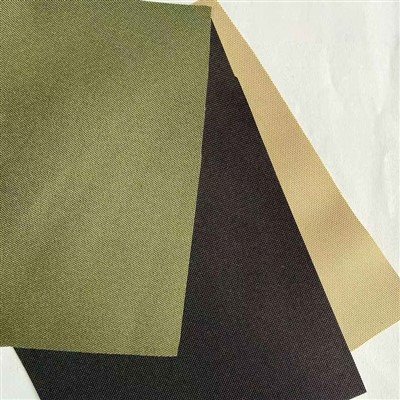
600D Oxford Fabric References
- Textile Institute. (2021). Denier and Fabric Weight: Key Considerations for Durability and Performance. Textile Progress, 53(3), 189-217.
- ASTM International. (2019). Standard Test Method for Abrasion Resistance of Textile Fabrics (Rotary Platform, Double Head Method). ASTM D3884-19.
- Oxford Fabric Manufacturers Association. (2022). Performance Characteristics of Oxford Weave Fabrics for Commercial Applications. Industry Technical Report.
- Wilson, K. (2020). Fabric Selection for Reusable Consumer Products: Balancing Durability, Cost, and Sustainability. Journal of Sustainable Textiles, 8(2), 45-62.
Dongyang Huangxiu Leather & Plastic Co., Ltd.
With abundant experience, we are one of the most professional 300d oxford fabric manufacturers in China. We warmly welcome you to wholesale customized 300d oxford fabric made in China here from our factory. If you have any enquiry about quotation and free sample, please feel free to email us.
Address: Huangxiu Leather & Plastic Products, No. 79 Shunda Road, Huashui Town, Dongyang City, Zhejiang Province
E-mail: x372921764@163.com
WebSite: https://www.huangxiutextile.com/
