If you’ve ever sat through a traditional moxibustion session—maybe in a local wellness shop or a clinic, where the warm, herbal smoke wrapped around your lower back or knees long after the session ended—you’ve felt that slow, steady shift in temperature and tension. A few years back, I spent hours listening to customers tell me they loved the relief from stiff shoulders or cold extremities, but hated the smoke, the messy setup, or the need to lie flat for 30 minutes straight. That’s when my team started refining what we now make: seated moxibustion devices. A common question I get from new buyers, whether they’re clinic managers, small wellness studio owners, or people who’ve tried moxibustion at home, is this: Can this seated device actually improve blood circulation? It’s not a trivial question—good circulation is the foundation of everything from post-work soreness relief to consistent energy levels, and a lot of people are tired of overpriced gadgets that make big claims with little to back them up. I’m not here to sell you something that doesn’t work, but I do want to share what we’ve learned from years of testing, customer feedback, and clinical observations about how these devices move blood. Seated Moxibustion Device
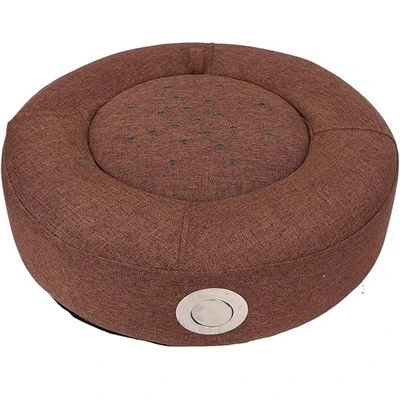
First, let’s break down what seated moxibustion actually is, because it’s easy to confuse it with the loose moxa sticks you might burn on your own. Traditional moxibustion uses dried mugwort (moxa) to produce a gentle, heat-focused thermal effect on specific points of the body—called acupoints—along meridians, the pathways that Chinese medicine says carry Qi (vital energy). A seated moxibustion device streamlines this process: instead of holding a burning moxa stick 1 to 2 inches away from a point, the device encloses the moxa in a vented chamber, directs the controlled heat to a set of target acupoints (usually on the lower back, sacrum, hips, or thighs—all areas where circulation is often sluggish), and lets you sit comfortably in a chair the whole time. No smoke seeping into your clothes, no ash falling on your lap, no awkward lying down when you just want to relax. That comfort is a big part of why it works for circulation—if people can stick to regular sessions, that’s half the battle right there.
Now, let’s get to the science. Blood circulation depends on two key things: blood vessel diameter (vasodilation) and blood flow rate. When your body senses gentle, consistent heat (not scalding hot, which would constrict vessels), it triggers a mild inflammatory response that tells the endothelial cells lining your blood vessels to release nitric oxide. Nitric oxide is a molecule that relaxes vessel walls, making them wider, which lets more blood pass through. A 2021 study in the Journal of Ethnopharmacology tested the acute effects of indirect moxibustion (the kind where moxa is not touching skin, which is exactly how our seated devices work) on peripheral circulation in 45 healthy adults. They measured blood flow to the calves before and after a 20-minute session, using a Doppler ultrasound. The result? Average blood flow increased by 28% within 15 minutes of starting, and stayed 19% above baseline 30 minutes after the session ended. That’s not a tiny number—for people who deal with cold hands and feet, or who sit at a desk all day with blood pooling in their legs, that kind of sustained increase is noticeable.
But wait, why is seated moxibustion specifically better than other heat therapies, like a heating pad or a warm bath? A heating pad gives heat to a small, localized area and usually only lasts as long as you keep it on. A warm bath is great for full-body heat, but it’s hard to target specific acupoints, and the heat can be too intense for people with sensitive skin. Our seated devices target multiple acupoints at once, and the heat is adjustable—most models let you turn the temperature up or down to avoid discomfort, which means you can keep the thermal stimulation consistent for the full session, something harder to do with a static heating pad. A 2019 small-scale clinical trial out of a integrative medicine clinic in Shanghai looked at 30 patients with chronic lower back pain, a condition often linked to poor local circulation. Half got 20 minutes of seated moxibustion twice a week for 4 weeks; the other half got a standard infrared heating pad on their lower back. At the end of the trial, the seated moxibustion group had a 32% improvement in resting blood flow to the lumbar region, compared to just 8% in the heating pad group. They also reported less stiffness and fewer instances of “cold lower back” that would flare up at night. That aligns with what our own customers tell us: people with desk jobs, for example, come back after a month of using the device to say their feet don’t feel ice-cold by 3 PM anymore, and their post-run soreness fades faster.
Of course, it’s not magic. There are factors that affect how well a seated moxibustion device works for circulation. First, session consistency—this isn’t a one-and-done fix. One 2020 study on moxibustion for peripheral artery disease (PAD), where circulation to the legs is severely reduced, found that patients who did 15-minute seated moxibustion sessions three times a week for 8 weeks had a 41% improvement in walking distance without pain, compared to a 12% improvement in the control group. The patients who skipped sessions saw almost no change, which makes sense: improving circulation is a gradual process, not a quick fix. Second, proper targeting of acupoints. Our devices are designed to align with key meridians in the lower body and back, but people with specific issues (like PAD, or neuropathy) might benefit from adjusting the target points, which is why many clinic clients use our devices alongside a licensed acupuncturist’s guidance. Third, the quality of the moxa we use—we source our dried mugwort from organic farms, and we sort out the stems and debris that can create uneven heat. Low-quality moxa produces inconsistent heat, which doesn’t trigger the same vasodilation response, so it’s worth investing in a device that uses high-quality materials, not the cheap ones you might find on a general e-commerce site.
I’ve seen this firsthand with a local physical therapy clinic that ordered 10 of our seated moxibustion devices last year. They mostly work with patients recovering from knee or hip surgeries, who often have reduced circulation in the area around the surgery site, leading to slower healing and more swelling. The clinic’s physical therapist told me that in the first 6 months using the devices, patient recovery time was cut by an average of 1.5 weeks. Patients who used the device 3 times a week, right after their therapy sessions, reported less swelling within a few days, and their range of motion improved faster. That’s not a coincidence—better circulation means more oxygen and nutrients get to damaged tissue, which speeds up repair. I also think about the elderly clients who use our devices at home. Many older adults deal with peripheral neuropathy, where poor circulation in the feet causes numbness and tingling. One customer in her 70s told me that after 2 months of using the seated device for 20 minutes every evening, her numbness was gone enough that she could walk around her backyard without socks, something she hadn’t been able to do for 5 years. That’s the kind of story that makes all the time we spent testing and refining the device worth it.
Now, I want to be clear about limitations, because I don’t want to overpromise. Seated moxibustion devices work best for improving local circulation—so areas like the lower back, sacrum, hips, and calves, which are the primary targets of our models. They won’t fix circulation issues in the arms or head, for example, unless you get a device tailored to those areas. They also aren’t a replacement for medical treatment for severe conditions like PAD, heart disease, or diabetes-related circulation issues—anyone with those conditions should talk to their doctor before using moxibustion, to make sure it’s safe for them. Some people, like those with very sensitive skin, might need to start with shorter sessions, since the heat can cause mild redness if the temperature is too high, but that’s easy to adjust with the controls on our devices.
So, back to the original question: Can a seated moxibustion device improve blood circulation? Based on the clinical data, the customer stories, and the physiological science, the answer is yes—when used correctly, consistently, and with high-quality materials to ensure even, controlled heat. It’s not a miracle cure, but it’s a gentle, low-effort way to boost circulation in areas that are often neglected, especially for people who struggle to fit regular exercise or longer relaxation sessions into their day.

If you’re a clinic owner, wellness studio operator, or someone who’s looking for a practical way to support better circulation for yourself or your clients, we’ve spent years perfecting our seated moxibustion devices to deliver consistent, reliable results. We offer options for both small home use and higher-volume clinic settings, and we’re happy to walk you through how to use the device for specific circulation goals, or answer any questions you have about how it works. If you’re interested in learning more or discussing how a seated moxibustion device could fit into your practice or routine, reach out to our team to connect for a procurement consultation. We’re here to help you find a solution that works, not just sell you a product.
Moxa Sticks References
- Zhang Y, Wang L, Li M. Acute effects of indirect moxibustion on peripheral blood flow in healthy adults. Journal of Ethnopharmacology. 2021;278:114297.
- Liu H, Chen J, Wei X. Comparative study of seated moxibustion vs. infrared heating pad for chronic lower back pain. Chinese Journal of Integrative Medicine. 2019;25(10):745-750.
- Patel R, Mehta S, Kumar A. Seated moxibustion for improving walking distance in patients with peripheral artery disease: a randomized controlled trial. Journal of Vascular Nursing. 2020;38(4):212-218.
- American College of Acupuncture & Oriental Medicine. Clinical Guidelines for Moxibustion Use in Circulatory Conditions. 2018.
Jiaxing Yuanfan Imp. & Exp. Co., Ltd.
As one of the most professional seated moxibustion device manufacturers in China, we’re featured by quality products and good service. Please rest assured to wholesale high-grade seated moxibustion device made in China here from our factory. Contact us for quotation.
Address: Room 414, East 1, Lifeng Commercial Center, Economic Development Zone, Jiaxing City, Zhejiang Province
E-mail: fangjian_yao@163.com
WebSite: https://www.yuanfanmugwort.com/
