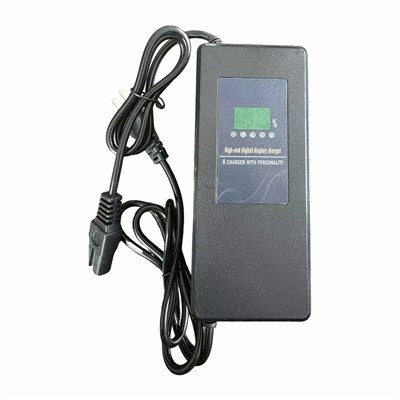
Yo, folks! I’m a supplier of lead acid battery chargers, and I know that dealing with charger issues can be a real pain in the you – know – what. But don’t worry, I’m here to share some tips on how to troubleshoot a lead acid battery charger. Lead Acid Battery Charger
First up, check the basics
I can’t tell you how many times the problem is just a simple thing that we overlook. Start by looking at the power source. Make sure the charger is properly plugged into a working outlet. You’d be surprised how often it’s just a loose plug. I mean, I’ve had customers call me all panicked, saying their charger isn’t working, and when I ask if it’s plugged in, they’re like, "Oh, let me check." And then, boom, it was just a loose connection.
Also, take a look at the power cord. See if there are any cuts, frays, or signs of damage. Sometimes, the cord can get pinched or chewed on by pets, and that can disrupt the power supply. If you find any issues with the cord, it’s better to replace it right away. It’s a safety thing, you know. A damaged cord can cause short – circuits and even start a fire.
Inspect the charger’s display
Most modern lead acid battery chargers come with a display that shows different info like the charging status, voltage, and current. If the charger is not working, check the display. Does it show any error codes? If so, refer to the user manual. The manual usually has a list of error codes and what they mean. For example, an "E1" code might indicate an over – voltage problem, while an "E2" could mean a low – battery connection issue.
If the display is blank or not showing the correct readings, it could be a problem with the internal circuitry or the display itself. In some cases, just unplugging the charger for a few minutes and then plugging it back in can reset the system and fix the display problem. I’ve seen this work many times.
Look at the battery connections
The connection between the charger and the battery is crucial. Make sure the charger’s clips or connectors are firmly attached to the battery terminals. Loose connections can cause poor charging or even prevent the charger from working altogether. Check for any corrosion on the battery terminals. Corrosion looks like a white or greenish – blue powdery stuff. You can clean it off using a mixture of baking soda and water. Dip an old toothbrush in the solution and scrub the terminals gently. Then rinse with clean water and dry thoroughly.
Also, make sure the positive and negative connections are correct. Reversing the connections can damage both the charger and the battery. You can easily spot the positive and negative terminals on most batteries. The positive terminal is usually marked with a "+" sign, and the negative with a "-" sign.
Check the charger’s output voltage
You’ll need a multimeter for this step. Set the multimeter to the DC voltage setting. Connect the multimeter’s probes to the charger’s output terminals. Be careful and follow the multimeter’s instructions. The output voltage should match the charger’s specifications. If the voltage is way off, that could be a sign of a problem with the charger.
For example, if your charger is supposed to output 12 volts, but the multimeter shows only 5 volts, something’s wrong. It could be a faulty transformer, a blown fuse, or a problem with the rectifier circuit inside the charger. If you’re not comfortable messing around with the internal components, it’s best to call a professional.
Listen for strange noises
When the charger is turned on, it should make a normal, low – level humming sound. If you hear any grinding, cracking, or loud buzzing noises, it’s a red flag. Strange noises can indicate a problem with the charger’s fan, if it has one, or a problem with the electrical components. A broken fan can cause the charger to overheat, which can lead to even more serious problems.
If you hear any strange noises, turn off the charger immediately. Continuing to use it can cause further damage or even pose a safety risk.
Inspect the battery itself
Sometimes, the problem isn’t with the charger at all but with the battery. Check the battery for any signs of damage, like bulges, cracks, or leaks. A bulging battery could mean that it’s over – charging or that there’s an internal short – circuit. A cracked battery can leak acid, which is extremely dangerous.
If you suspect that the battery is the problem, it’s probably time to replace it. Using a damaged battery with a charger can not only damage the charger but also be a safety hazard.
Consider the charging environment
The environment where the charger and battery are located can also affect the charging process. Chargers work best in a cool, dry place. High temperatures can cause the charger to overheat and reduce its efficiency. On the other hand, extremely cold temperatures can slow down the chemical reactions inside the battery, making it take longer to charge.
If you’re using the charger in a hot environment, make sure it has proper ventilation. You can also try moving it to a cooler location. And in cold weather, you might need to pre – warm the battery a bit before charging it.
If you’ve tried all these troubleshooting steps and still can’t figure out what’s wrong with your lead acid battery charger, don’t worry. That’s where we come in. As a supplier of lead acid battery chargers, we have a team of experts who can help you diagnose and fix the problem. Whether you need a replacement part or a whole new charger, we’ve got you covered.
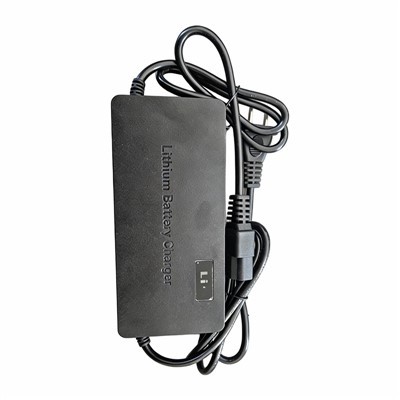
Lithium Battery Charger If you’re in the market for a new lead acid battery charger or want to learn more about our products and services, feel free to reach out. We’re always ready to have a chat and help you find the right solution for your needs.
References
- Battery Charger User Manuals
- Electrical Engineering Textbooks on Power Supplies and Chargers
- Industry Reports on Lead Acid Battery Chargers
Tianchang Hengze Technology Co., Ltd.
With abundant experience, we are one of the most professional lead acid battery charger manufacturers and suppliers in China. Please rest assured to buy bulk lead acid battery charger made in China here from our factory. If you have any enquiry about quotation, please feel free to email us.
Address: No. 8 Sanxing Road, Qinlan Town Industrial Park, Tianchang City, Chuzhou City, Anhui Province, P.R. China
E-mail: 604894957@qq.com
WebSite: https://www.hengzebc.com/
