As a seasoned provider of auxiliary systems, I often find myself in conversations where the topic of an auxiliary system’s capacity arises. This is a multifaceted subject that encompasses not only the technical specifications but also the practical implications for various industries. In this blog post, I will delve into what the capacity of an auxiliary system truly means, break down its components, and outline how it impacts different applications. Auxiliary System

Defining the Capacity of an Auxiliary System
To begin with, let’s clarify what we mean by the capacity of an auxiliary system. An auxiliary system is a secondary system that supports the main operation of a larger setup, such as a power plant, a ship, or an industrial manufacturing facility. The capacity of an auxiliary system refers to its ability to perform its designated functions effectively under specific conditions over a defined period.
This capacity can be expressed in various ways depending on the nature of the system. For example, in a water treatment auxiliary system, the capacity might be measured in terms of the volume of water it can treat per hour or day. In a lubrication auxiliary system for an engine, the capacity could be defined by the amount of lubricant it can circulate and maintain at the appropriate temperature and pressure.
Components Influencing Capacity
Several key components contribute to the overall capacity of an auxiliary system. Understanding these factors is crucial for accurately assessing the system’s capabilities and determining whether it is suitable for a particular application.
1. Equipment Size and Design
The physical size and design of the auxiliary system’s equipment play a significant role in its capacity. Larger components generally have a higher capacity, but this is not always the case. For instance, a well – designed compact pump can sometimes achieve the same or even better performance than a larger, less efficient one. The internal design of equipment, such as the number of stages in a compressor or the configuration of a heat exchanger, also affects its capacity to handle fluids, gases, or heat.
2. Power and Energy Requirements
The power source available to the auxiliary system is directly related to its capacity. An auxiliary system requires a certain amount of power to operate its pumps, motors, valves, and other components. If the power supply is insufficient, the system may not be able to function at its full capacity. Similarly, the energy efficiency of the system is important. A more energy – efficient auxiliary system can perform the same tasks with less power consumption, potentially allowing for higher overall capacity or cost savings.
3. Material and Component Quality
The quality of the materials used in the construction of the auxiliary system and its components can impact capacity. High – quality materials are more resistant to wear, corrosion, and fatigue. This means that the system can operate more consistently over time without experiencing a significant drop in capacity due to component failure or degradation. For example, a well – made pipe in a fluid – handling auxiliary system will have less internal friction, allowing for a higher flow rate and thus increasing the system’s capacity.
4. Control and Monitoring Systems
Advanced control and monitoring systems are essential for optimizing the capacity of an auxiliary system. These systems can adjust the operation of the system in real – time based on changes in process conditions, such as temperature, pressure, or flow rate. For example, a smart control system in a cooling auxiliary system can automatically adjust the speed of the fans and pumps to maintain the desired temperature, ensuring that the system operates at its maximum capacity while minimizing energy consumption.
Capacity in Different Industries
The concept of capacity takes on different meanings and importance in various industries that rely on auxiliary systems.
1. Power Generation
In power plants, auxiliary systems are crucial for maintaining the efficient operation of the main power – generating equipment. For example, the cooling system, which is an auxiliary system, has a capacity that is measured by its ability to remove heat from the power plant’s condensers. If the cooling system’s capacity is insufficient, the temperature of the condensers will rise, reducing the efficiency of the power – generation process and potentially leading to equipment damage. Similarly, the fuel handling and treatment auxiliary systems in a power plant must have the capacity to supply the right amount of clean fuel to the generators at all times.
2. Maritime Industry
On ships, auxiliary systems are used for a wide range of functions, including propulsion support, power generation, and environmental management. The capacity of a ship’s ballast water treatment system, for example, is determined by the volume of ballast water it can treat during a specific voyage. A ship’s auxiliary power generation system’s capacity is measured in terms of the amount of electrical power it can produce to meet the vessel’s onboard needs, such as lighting, navigation equipment, and refrigeration.
3. Manufacturing
In manufacturing facilities, auxiliary systems play a vital role in supporting the production process. A pneumatic auxiliary system, which provides compressed air for tools and machinery, must have a capacity that can meet the peak demand of all the connected equipment. If the pneumatic system’s capacity is inadequate, the performance of the manufacturing equipment may be affected, leading to production delays and quality issues.
Assessing and Optimizing Capacity
As an auxiliary system provider, we understand the importance of accurately assessing and optimizing the capacity of our systems. When working with clients, we follow a systematic approach to ensure that the selected auxiliary system meets their specific requirements.
1. Needs Analysis
The first step is to conduct a thorough needs analysis. This involves understanding the client’s industry, the specific application of the auxiliary system, and the expected operating conditions. We gather information such as the required flow rates, pressure levels, temperature ranges, and the frequency of operation. Based on this data, we can determine the minimum and maximum capacity requirements for the auxiliary system.
2. System Design
Once the requirements are clear, our engineering team designs the auxiliary system. We select the appropriate equipment, taking into account factors such as size, power requirements, and material quality. The design also includes the integration of control and monitoring systems to ensure that the system can operate at peak capacity while being energy – efficient and reliable.
3. Testing and Validation
Before delivering the auxiliary system to the client, we conduct extensive testing and validation. This involves simulating real – world operating conditions to verify that the system can meet the specified capacity requirements. We also perform performance testing to identify any areas where the system can be optimized further.
4. Ongoing Support
Even after the auxiliary system is installed and commissioned, we provide ongoing support to our clients. This includes regular maintenance, upgrades, and troubleshooting. By ensuring that the system is properly maintained, we can help our clients maintain the system’s capacity over its lifespan.
Contact Us for Your Auxiliary System Needs
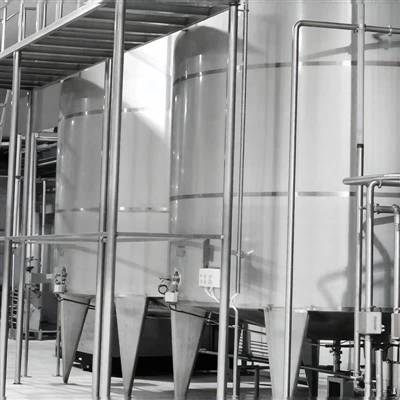
If you are in the market for an auxiliary system and want to ensure that you get a system with the right capacity for your specific needs, we are here to help. Our team of experts has extensive experience in designing, manufacturing, and installing auxiliary systems for a wide range of industries. We are committed to providing high – quality, reliable, and cost – effective solutions.
Scale Beer Equipment Whether you need a new auxiliary system, an upgrade to an existing one, or just some advice on capacity optimization, feel free to reach out to us. We would be delighted to discuss your requirements and provide you with a customized solution.
References
- Smith, J. (2018). Auxiliary System Design and Engineering. Industrial Press.
- Johnson, A. (2019). Capacity Optimization in Industrial Systems. Wiley.
- Brown, C. (2020). Maritime Auxiliary Systems: Principles and Applications. Elsevier.
Wenzhou Jinggong Machinery Equipment Co., Ltd.
We are one of the most professional auxiliary system manufacturers and suppliers in China. With abundant experience, we warmly welcome you to buy customized auxiliary system at competitive price from our factory. If you have any enquiry about quotation, please feel free to email us.
Address: No.Jiadi Industrial Zone, Yaoxi Town, Longwan District, Wenzhou City, China.
E-mail: jinggong2026@163.com
WebSite: https://www.jg-ind.com/
