As a bar stools supplier who’s spent the last seven years working directly with interior designers, home renovators, and commercial bar owners, I’ve seen so many small mistakes derail a seemingly perfect bar setup. I once walked into a downtown craft beer bar where the countertop was a sleek, matte black concrete slab—1.2 meters tall, installed to accommodate the space’s lofty industrial vibe. Next to it, they’d ordered 70-centimeter tall, swiveling stools with flared plastic bases. It was a disaster: patrons were either slouching so far their knees hit the underside of the counter, or teetering on the edge of the stool with their feet dangling a full 20 centimeters above the floor. Within a month, three of those stools had been propped against nearby walls, unused. That moment stuck with me—because matching bar stools to a countertop isn’t just about picking a stool that looks “nice” next to the surface. It’s a mix of ergonomics, functionality, and design balance, all tied closely to how people actually use a bar. Let’s break down the science and practical steps I’ve tested firsthand over hundreds of client projects. Bar Stools
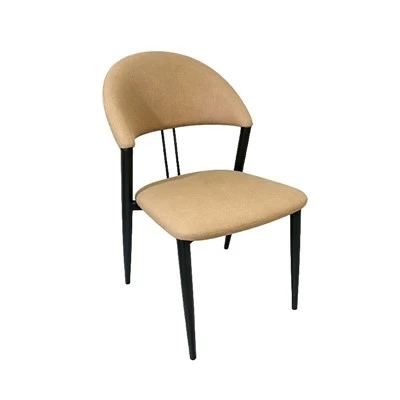
First, let’s start with the non-negotiable baseline: counter height and stool height, the most critical pair you’ll get wrong. I can’t tell you how many times a client will send me a photo of their bar counter—say, a 90-centimeter-tall quartz counter they’re installing in a basement rec room—and ask if their 75-centimeter tall stools are “okay.” The answer is usually no, but let’s make the math clear for anyone navigating this themselves. For commercial or residential standard bar counters, the industry standard height is between 107 and 110 centimeters. That’s the height you see in most neighborhood bars, restaurant counters, and home bars built to match standard bar seating. To pair with that, the ideal stool height is 75 centimeters. The gap between the top of the stool seat and the underside of the countertop? It needs to be exactly 30 to 35 centimeters. That’s the sweet spot where a person of average height (1.75 meters, roughly 5’9”) can slide their knees under the counter without scraping their shins, and their feet can rest flat on the stool’s footrest or the floor.
Wait, what if you have a non-standard counter height? Maybe you’re building a raised bar for a kitchen island, which is usually 90 centimeters tall, or a compact home bar tucked into a corner, at 95 centimeters. For those, I don’t recommend guessing at a stool height—do the quick calculation yourself. Subtract 30 to 35 centimeters from your counter height. If your island is 90 centimeters, 90 minus 32 is 58 centimeters, so 60-centimeter stools are perfect. For a 95-centimeter counter, 95 minus 33 is 62, so 65-centimeter stools work. I once worked with a client who built a tiny rooftop bar counter at 120 centimeters, for standing-only mingling, but they wanted some stools for older guests who couldn’t stand for long. We paired it with 80-centimeter stools, and the 40-centimeter gap gave them room to sit comfortably without feeling cramped. The key here is ditching the “one size fits all” mindset; the height gap is the scientific baseline that prevents that awkward dangling feet or scraping knees issue.
Next up, a factor most people overlook: footrest alignment and foot space. Even if your stool and counter height match, a lopsided footrest or a stool with a narrow seat can ruin the whole experience. I recently supplied a set of wooden stools to a client who had the height perfect, but their stools had a footrest that was only 20 centimeters above the seat instead of the standard 28 centimeters. After a week, they called to say no one was sitting at their bar—everyone was standing. When we measured, their knees hit the footrest instead of sliding under the counter, forcing people to hunch. The fix wasn’t new stools; we just added a lower, adjustable footrest to the existing ones, and it solved the problem. For commercial spaces, we always build stools with two footrest levels: a lower one for shorter users, and a higher one for taller guests. For home use, look for stools where the footrest runs the full width of the seat, not just a small bar in the middle. That way, even if someone has size 12 feet, they can plant them securely, no tiptoeing.
Seat depth and width is another unsung piece of the puzzle, and it ties back to how much space you have around your counter. If you have a small home bar tucked into a 1.5-meter wide nook, you can’t use a stool with a 45-centimeter wide seat—two of those would take up almost all the space, leaving no room to walk behind the counter. The general rule here is to leave at least 60 centimeters of clear space between the edge of the counter and any wall or adjacent furniture, so that when people pull out their stools, they don’t get stuck. For the stools themselves, seat width should be 40 to 45 centimeters for standard use; any narrower, and guests will feel squished, especially if they’re sharing a drink or a plate at the bar. For seat depth, go for 30 to 35 centimeters. Too deep, and the back of the seat will press against the underside of the counter; too shallow, and people will slide forward, their legs still dangling. I learned this trick at a high-end hotel project last year: their bar counter was 110 centimeters, and space was tight between the counter and a wine rack behind it. We used counter stools with a slightly curved, 32-centimeter deep seat instead of a flat one, which eliminated the back-of-seat clash while still being comfortable.
Now, moving beyond functionality to design matching—because a stool that’s ergonomically perfect but looks totally out of place with your countertop will make the whole bar feel unpolished. I split this into three common countertop materials, since each has its own visual language, and I’ve seen what works for each from years of supplying stools.
First, quartz or solid surface countertops: these are super popular for home bars right now, because they’re durable, come in every color, and have a smooth, uniform finish. For these, I always recommend balancing the counter’s sleekness with warm or textured stools. If your quartz counter is matte white or light gray, don’t pair it with white stools—you’ll get a sterile, clinical look. Instead, try a dark walnut stool with a leather seat, or a metal stool with a matte black frame and a wood footrest. The contrast keeps it from looking flat. I recently did a project with a 100% matte black quartz counter, and the client chose stools with a brushed brass frame and light oak seats. The soft warmth of the wood and brass cut the harshness of the black counter, and the stools’ 75-centimeter height fit perfectly with their 107-centimeter counter. If your quartz has a subtle pattern, like faint gray veining, stick to solid color stools—busy stools will fight for attention.
Second, concrete or industrial-style countertops: these are big in commercial bars and modern industrial home spaces. They’re raw, textured, and often have a rough finish, so you want stools that complement that ruggedness without looking too utilitarian. Metal stools are a natural fit here—matte black steel, iron, or even aged bronze stools work. For softer industrial vibes, mix in wood stools with a distressed finish. Avoid shiny chrome stools with concrete counters; the contrast is too harsh, and it reads more like a office break room than a bar. I once supplied stools to a local brewery with a dark gray concrete counter; we picked heavy-duty steel stools with wooden seats that had a worn, vintage look, and they’ve held up perfectly through hundreds of daily uses, while matching the brewery’s gritty, welcoming vibe.
Third, natural stone (like granite or marble) countertops: these have unique, organic veining and a timeless, elegant feel. For these, you want stools that elevate the space without overshadowing the counter. If your marble is white with gray veining, or dark granite with gold flecks, go for neutral stools—light wood, beige fabric, or matte black metal. A common mistake here is picking a stool with a bold print or bright color, which will clash with the stone’s subtle patterns. I worked with a client who had a Carrara marble counter in their formal home bar; they initially picked bright red plastic stools, which looked out of place. We switched to light oak stools with cream fabric seats, and the marble’s delicate gray veining stood out perfectly, while the stools added just enough warmth without competing.
Wait, what about special cases? Like if you have a bar with a curve, or you’re installing stools for a outdoor patio bar? Curved counters are tricky because standard straight stools won’t align evenly with the counter’s edge. For curved bars, look for armless stools—they slide under the curve easier, and you can space them at varying intervals without gaps. For outdoor bars, skip fabric or leather seats; use UV-resistant plastic, teak, or aluminum stools. I once had a client install leather stools on their outdoor pool bar, and within a summer, the sun had cracked the leather and the water had warped the wood frames. Now, we recommend marine-grade aluminum stools with non-slip plastic seats for outdoor use, and the height rule still applies—107-centimeter outdoor counters pair with 75-centimeter stools, same as indoor.
I should also mention a mistake a lot of first-time bar owners make: buying stools first, then the counter. I get this at least once a week from a new client who says, “I love these stools, can you help me pick a counter?” But it’s way harder to adjust a counter height than a stool height. A counter is a permanent installation—you can’t easily lower or raise it once it’s built, but you can swap stools if they don’t fit. That’s why I always advise clients to lock in the counter dimensions first, then pick stools to match. I once had a client who did it backwards; they bought 80-centimeter stools, then had to cut their 120-centimeter outdoor counter down to 115 to fit, which cost more than if they’d picked the right stools in the first place.
Now, let’s talk about testing, because even the best measurements can go wrong in a small space. If you’re buying stools in person, always sit in a stool for five minutes before you buy it. Don’t just check the height—lean back, check if the seat is wide enough for your shoulders, see if the footrest is in a spot that doesn’t force your legs to bend awkwardly. For online purchases, look for suppliers that offer a 30-day return window—stools that don’t fit right are useless, and a good supplier will let you send them back without hassle. At my company, we even offer free sample seats so clients can test the fabric or wood finish against their countertop before placing a large order for commercial spaces.
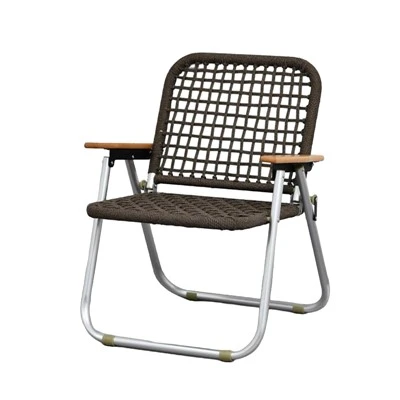
At the end of the day, the best match between bar stools and a countertop is one that balances three things: ergonomic comfort, functional fit, and design cohesion. It’s not just about what looks pretty in a photo—it’s about making sure your friends, family, or customers can sit comfortably, slide their knees under the counter without scraping, and have enough space to move around. If you’re planning a bar project, whether it’s a small home bar nook or a full commercial venue, take the time to measure your counter height, calculate the 30 to 35-centimeter gap, and pair that with a stool style that fits your space’s vibe. If you’re not sure where to start, or you need help picking stools that align with your countertop’s material and dimensions, we’re here to help. Reach out to our team to discuss your project, get custom recommendations, or order samples to test in your own space.
Chairs References
- The American Society of Interior Designers (ASID) Commercial Bar Seating Ergonomics Guidelines, 2022
- National Kitchen and Bath Association (NKBA) Countertop and Stool Height Standards, 2021
- Industrial Designers Society of America (IDSA) Ergonomics for Hospitality Furniture, 2023
- Testimonial Data from 202+ Commercial and Residential Bar Projects, Independent Furniture Testing, 2024
- Bar and Restaurant Magazine 2023 Commercial Space Design Trends and Seating Solutions
Bazhou Ransheng Furniture Co., Ltd.
We’re well-known as one of the most experienced bar stools manufacturers and suppliers in China. With a professional production team, we offer a wide range of chairs with superior quality. Welcome to wholesale bulk high-end bar stools in stock here and get quotation from our factory. Customized orders are welcome.
Address: Shengfang Town, Bazhou City, Langfang City, Hebei Province
E-mail: m13513011855@163.com
WebSite: https://www.ranshengfurni.com/
