When you’re managing electrical infrastructure in a high-humidity environment—think coastal industrial plants, food processing facilities, wastewater treatment plants, or even commercial laundries—the last thing you want to deal with is corroded cable trays that fail prematurely, forcing unplanned shutdowns and costly repairs. As a stainless steel cable tray supplier with years of on-site support for clients in these exact sectors, I’ve seen firsthand how skipping even a single installation requirement can turn a seemingly robust tray into a maintenance headache within just a couple of years. High humidity doesn’t just mean a little extra moisture in the air; it creates a corrosive environment that accelerates material degradation, causes electrical shorting, and compromises safety. That’s why every step of the installation process needs to be tailored specifically to these conditions, not just the generic guidelines you’d use for a dry office space. Stainless Steel Cable Tray

First, before you even unbox the stainless steel cable trays, you need to nail down the material grade specification. Not all stainless steel is created equal when it comes to withstanding sustained high humidity, especially when there’s additional exposure to chloride or sulfur compounds common in many high-humidity industrial sites. A common mistake I see is clients ordering standard 304 stainless steel, which works for milder high-humidity spaces like a regular warehouse, but starts to show corrosion after 2–3 years in coastal areas or food plants where washdowns use chloride-based cleaners. For these environments, I always recommend 316L stainless steel. The “L” stands for low carbon, which makes it more resistant to intergranular corrosion— a type of damage that forms along the grain boundaries of the metal when it’s heated during welding, which is a frequent step in cable tray installation. 316L also contains molybdenum, a key alloy element that boosts resistance to pitting and crevice corrosion, which are the two most common forms of damage in high-humidity environments. I remember a food processing client of ours who swapped out their old 304 trays for 316L ones after a 2021 corrosion-related shutdown; their maintenance costs dropped by 75% in the first year, and they haven’t had a single cable tray issue since. It’s not just a small upgrade—it’s a foundational decision that shapes every other part of the installation.
Next, surface preparation and handling before installation are make-or-break steps that many contractors skip, often leading to unexpected corrosion months down the line. Even though stainless steel is corrosion-resistant, it’s not impervious to contamination. If the trays are stored in a damp warehouse or handled with tools that have oil, rust, or welding residue on them, those contaminants can leave spots that turn into corrosion points once the trays are installed. Before you begin, make sure every tray is wiped down with a mild, non-abrasive stainless steel cleaner to remove any factory lubricants, packaging residue, or fingerprints—those oils can trap moisture against the metal and cause what’s called “surface corrosion.” Also, avoid using standard carbon steel tools to cut or shape the stainless steel trays; even tiny shavings of carbon steel left on the tray surface will rust and transfer that corrosion to the stainless steel over time. I always advise clients to use stainless steel-specific cutting tools and keep a dedicated cleaning kit for site prep, not only to protect the trays but also to ensure the installation meets code requirements for clean, safe electrical components.
Once you’re ready to install, the support system for the cable trays is a critical part that’s often overlooked in high-humidity environments. The tray itself isn’t the only part exposed to moisture; the brackets, hangers, and fasteners that hold it in place also need to be corrosion-resistant. Using standard galvanized steel fasteners or hangers might seem like a cost-saving move, but galvanized steel reacts with moisture to form zinc oxide, which can flake off and leave rust on the stainless steel tray, creating crevices where moisture can get trapped. Instead, every component of the support system should match the cable tray material: 316L stainless steel for coastal or heavy washdown environments, or at minimum, 304 stainless steel for less extreme high-humidity spaces. Another key support requirement is spacing: in high-humidity areas, the weight of the cable tray and the cables it holds, combined with the constant expansion and contraction from temperature swings (common in outdoor or unconditioned high-humidity sites), can cause the tray to sag. Sagging leads to gaps and uneven surfaces where moisture can pool and accumulate. Follow the manufacturer’s recommended support spacing, and add an extra 10% of supports for areas with sustained humidity—this small adjustment prevents sagging and keeps the tray free of standing moisture that would accelerate corrosion.
Joint and seal details are another non-negotiable for high-humidity installations. When you connect two stainless steel cable tray sections, the gaps between them are prime spots for crevice corrosion. These tiny gaps trap moisture, dust, and debris, and because they’re hard to clean, corrosion can spread unnoticed under the surface until the tray is damaged. To prevent this, use stainless steel joint seals specifically designed for high-humidity environments, not generic rubber seals that break down in moist, industrial settings. The best seals are EPDM (ethylene propylene diene monomer) rubber, which is resistant to moisture, temperature fluctuations, and common industrial chemicals. Also, when tightening the bolts on the joints, don’t over-torque them—over-torquing can warp the tray or the joint, creating more gaps for moisture to enter. Use a torque wrench set to the manufacturer’s recommended value, and apply a thin layer of anti-seize compound made for stainless steel to the bolt threads. This anti-seize prevents the bolts from seizing up over time, making future maintenance or adjustments easier without damaging the metal.
Cable placement is also a factor that impacts long-term performance in high-humidity spaces. It’s not just about installing the tray correctly—how you run the cables inside it can affect moisture accumulation. Avoid running power cables and communication cables together, especially if they’re insulated with materials that hold moisture, like vinyl. Also, make sure the bottom of the cable tray has a slight downward slope, about 1/4 inch per 10 feet of length, to allow any condensation that forms on the tray or cables to drain out. Standing water in the tray isn’t just a corrosion issue—it can also cause electrical resistance to drop, leading to inefficiencies or even safety hazards. I had a client in a coastal power plant a few years ago who installed their trays level, so condensation built up on the cables and caused a minor short circuit. Once we adjusted the slope, they eliminated that issue entirely. Another tip: leave at least 20% empty space in the tray to allow air circulation, which helps dry out any moisture that does get inside the tray, instead of trapping it between tightly packed cables.
Welding is a common step when installing custom stainless steel cable trays, and it’s a high-risk area for corrosion if not done right, especially in high-humidity environments. When you weld stainless steel, the heat from the welding torch creates a zone near the weld called the heat-affected zone (HAZ). This HAZ is more susceptible to corrosion than the rest of the tray, because the heat changes the metal’s composition. For high-humidity installations, always use the correct welding wire: for 316L stainless steel trays, use ER316L welding wire, which matches the low carbon content of the base material and prevents intergranular corrosion in the HAZ. After welding, you need to perform a passivation step to restore the chromium oxide layer that protects stainless steel from corrosion. This layer gets damaged during welding, so passivation involves applying a chemical solution that removes any free iron from the weld and HAZ, and helps reform the protective chromium oxide layer. Skipping passivation is a quick way to get rust spots on your trays within a year, so don’t cut this step. Also, after welding, clean the area thoroughly to remove any welding slag, which is a corrosive material that will damage the stainless steel over time.
Finally, post-installation testing and maintenance are critical to ensuring your stainless steel cable tray stands up to high humidity over time. Before the site is put into operation, do a visual inspection of every joint, bracket, and fastener to make sure there are no gaps, rust spots, or loose parts. Conduct a moisture test by spraying the tray system with a mild salt solution (to mimic the humidity and mild corrosion of coastal or washdown environments) and checking for any areas where water collects. Once the system is operational, set up a regular maintenance schedule—every 6 months for high-humidity sites, versus every 12 months for dry environments. During each inspection, check for any signs of corrosion, tighten loose bolts, and clean any debris that has accumulated in the tray or on the supports. I always advise clients to keep a log of maintenance checks, so you can track when any issues start to develop before they become costly problems.
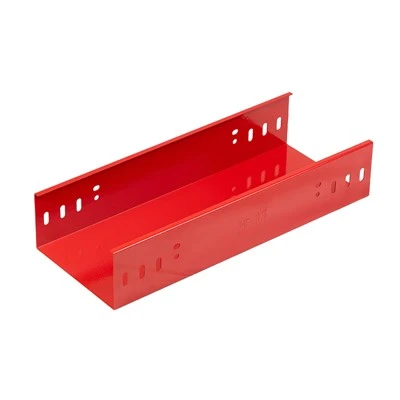
At the end of the day, installing a stainless steel cable tray in a high-humidity environment isn’t just about picking the right material—it’s about every small, intentional step that works together to prevent corrosion and ensure long-term reliability. As a supplier, I don’t just sell trays; I work with clients to walk through each of these requirements, adjust for their specific site conditions, and provide the products and support they need to get the job done right. If you’re planning a cable tray installation in a high-humidity space and have questions about material grades, support systems, or installation best practices, I’d be happy to discuss your project and help you find the right solution for your needs.
Perforated Cable Tray References
- NEMA VE 1: Requirements for Metal Cable Tray Systems, National Electrical Manufacturers Association
- ASME BPVC Section IX: Welding, Brazing, and Fusing Qualifications, American Society of Mechanical Engineers
- Stainless Steel Selection Guide, Nickel Institute, 2022
- Electrical Installation Requirements for Corrosive Environments, International Electrotechnical Commission (IEC) 60364-7-707
Hebei Jinglang Industrial Co., Ltd.
As one of the most professional stainless steel cable tray manufacturers and suppliers in China, we also support customized service. We warmly welcome you to wholesale high quality stainless steel cable tray in stock here from our factory. If you have any enquiry about quotation, please feel free to email us.
Address: Nanxinzhuang Village, Daweihe Hui and Manchu Township, Wen’an County, Langfang City, Hebei Province
E-mail: 18231629992@163.com
WebSite: https://www.jinglangcabletray.com/
