Hey everyone, it’s Mia from the team that makes the plastic dough boxes and bread trays you see in bakeries and artisanal kitchens all over the place. Today I’m answering a question we get almost every single week—one that stumps a lot of new bakers and even some long-time bakery owners: Can plastic dough boxes and bread trays be used in a proofing cabinet? Plastic Dough Box And Bread Tray

Let’s cut to the chase first—no vague industry jargon to confuse you, because I’ve spent enough time on bakery floors listening to bakers juggle dough, timing, and equipment to know what matters most. The short answer is: Yes, most of the high-quality food-grade plastic dough boxes and bread trays we manufacture are perfectly safe and effective for use in proofing cabinets. But there are a few critical details to get right, because not all plastic is made equal, and not all proofing cabinets are the same. Let’s break this down like I’m walking you through our production line, step by step.
First, let’s make sure we’re on the same page about what a proofing cabinet actually does, because that’s the foundation of this whole conversation. Proofing is the stage after you’ve shaped your dough—whether it’s sourdough boules, sandwich loaves, or dinner rolls—where you let it rise a second time before baking. A commercial proofing cabinet maintains specific conditions: usually 80–95°F (27–35°C) of consistent temperature and 70–85% humidity, sometimes with gentle air circulation to keep the environment even. That’s different from, say, a freezer or a industrial oven, which get way hotter. That temperature range is key because it’s not going to damage most of the food-safe plastics we use for our products.
Now, why do bakers even ask this question? A lot of them have heard horror stories about plastic warping in heat or leaching chemicals into food, especially when exposed to warm, moist conditions. I get that—if you’ve ever had a plastic storage container melt in the microwave, that fear is valid. Let’s address that head-on, because it’s the biggest concern for anyone thinking about using our trays in proofers.
The plastic we use for our dough boxes and bread trays is polypropylene (PP), specifically food-grade PP that’s been tested to meet FDA and EU 10/2011 food contact standards. PP is one of the most heat-resistant plastics used in food service, with a melting point around 320°F (160°C). That’s way higher than the maximum temperature any standard proofing cabinet reaches—even high-output commercial proofers top out at around 120°F (49°C) for short cycles, though most run steady at the lower 80–95°F range we mentioned earlier. So warping is basically non-existent here, as long as you’re not leaving them in an oven by mistake.
What about leaching? That’s another big one, especially for sourdough bakers who care deeply about flavor—no one wants their crust to taste like plastic. The food-grade PP we manufacture is virgin resin, not recycled plastic, which means there are no residual chemicals from previous products. We also don’t use any BPA, phthalates, or other additives that can leach into food when exposed to heat or moisture. Independent third-party testing shows that our trays don’t leach any detectable substances into dough or baked goods under standard proofing conditions, which is why we’ve had bakeries using our products for over a decade without a single flavor issue. That said, I always recommend checking the proofing cabinet’s specifications before making a purchase, just to be 100% sure—some older, retrofitted proofers might have higher temperature settings than standard models.
Wait, but not all plastic dough boxes are created equal, right? I’ve seen cheap, no-name plastic boxes at restaurant supply stores that are thin, flimsy, and sometimes made with lower-grade plastic. Those might not hold up in a proofing cabinet, because they can have inconsistent thickness that leads to warping over time, or they might not meet food safety standards. That’s why we put so much work into our production process: our dough boxes are injection-molded from thick, durable PP resin, with reinforced edges to handle the weight of proofed dough, and they’re designed to be used in both ambient proofing and commercial proofing cabinets. We’ve tested our products in proofing cabinets that run 24/7 for months at a time, and they come out looking and performing just like the day we made them.
Now, let’s talk about how to use our plastic dough boxes and bread trays in a proofing cabinet correctly, because even the best product won’t work if you use it wrong. First, make sure your trays are clean before putting them in the proofer. Residual flour, dough, or old oil can get sticky or moldy if left in the warm, humid environment of the proofing cabinet, which is a food safety issue and can affect your dough’s rise. We recommend washing our trays with warm, soapy water (no abrasive scrubbers, which can scratch the plastic and create places for bacteria to grow) and drying them completely before use.
Second, don’t overcrowd the proofing cabinet. Our bread trays are designed to hold a standard-sized loaf or several rolls, but if you stack too many trays on top of each other or cram them into every shelf, you’ll block the air circulation in the proofer. That can lead to uneven rising—some loaves will get too much humidity, some not enough—and it can also cause condensation to build up on the trays, which might drip onto your dough and create a soggy bottom. Most proofing cabinets are designed to hold a specific number of trays, so follow the manufacturer’s guidelines for shelf spacing.
Third, if you’re using our dough boxes, make sure to cover them if needed. Wait, proofing usually needs humidity, right? So do you need a lid? Our dough boxes come with perforated lids that let air flow while keeping in humidity, which is perfect for proofing. If you use a solid lid, that can trap too much moisture and cause your dough to get sticky or develop a sour spot, so always use the perforated lids we sell with our boxes. The plastic lids are also heat-resistant, so they won’t warp in the proofer, and they’re easy to clean.
I also want to address a common alternative some bakers use: metal proofing trays. Metal is durable, and it doesn’t leach chemicals, which is why it’s popular. But metal has downsides too—it’s heavier, so it’s harder to lift when it’s full of proofed dough, and it can conduct temperature unevenly, leading to some loaves rising faster than others. Our plastic trays are lighter, which is a huge plus for bakers who are moving trays around the bakery all day. They also insulate evenly, so every loaf in the proofer gets the same temperature and humidity, which leads to more consistent baking results. For small to medium bakeries, our plastic trays are a great middle ground between metal and disposable options, and they’re reusable for years, so they’re more cost-effective in the long run too.
Wait, what about home bakers? A lot of home bakers are getting into artisanal sourdough, and some are using countertop proofing cabinets. Can they use our plastic dough boxes and trays for that? Absolutely—we have a lot of home baker customers who love our products because they’re easy to store, durable, and work perfectly in their small countertop proofers. Just make sure to check the size of your proofer’s shelves before ordering, because we offer a range of sizes from small 12×18 inch trays to larger industrial-sized boxes for commercial bakeries.
I should also mention a caveat: if you’re using a proofing cabinet that reaches temperatures above 140°F (60°C), which is rare for standard proofing, you might want to check with our team, because even though our PP resin is heat-resistant, prolonged exposure to very high temperatures can start to break down the plastic over time. But for 99% of bakeries, commercial or home, standard proofing cabinet temperatures are totally fine.
Let me share a quick story to put this all in perspective. Last year, I was at a small sourdough bakery in Portland, Oregon, that was switching from metal trays to our plastic ones because their metal trays were warping after a year of use. The owner told me she was nervous at first—she’d heard plastic was bad for proofing. But after three months of using our trays in their daily commercial proofing cabinet, she texted me a photo of a perfect sourdough boule with a beautiful crust, and said the loaves were rising more consistently than they had with metal. She also said the lighter trays had cut down on her back pain from lifting heavy metal trays all day. That’s the kind of feedback that makes all the testing and quality control worth it for our team.
Another thing to keep in mind: our plastic dough boxes and bread trays are also dishwasher-safe, which is a huge time-saver for busy bakeries. You can throw them in the commercial dishwasher on a high-heat cycle, and they’ll come out just as good as new, ready to go in the proofing cabinet. Just avoid using bleach or harsh chemicals, because those can break down the plastic over time, same as with any food-safe plastic.
So to wrap this up: yes, food-grade polypropylene plastic dough boxes and bread trays from a reputable manufacturer like ours are absolutely safe and effective for use in proofing cabinets. The key points to remember are: use virgin, food-grade PP plastic (avoid cheap, unbranded plastic that might not meet safety standards), follow the proofing cabinet’s temperature guidelines, clean and dry your trays before use, don’t overcrowd the proofer, and use perforated lids for your dough boxes.
If you’re a bakery owner, home baker, or anyone in between who’s looking for durable, safe plastic trays to use in your proofing cabinet, we can help you find the right size and style for your needs. We make a range of products, from small home-sized trays to large industrial dough boxes that hold up to 50+ loaves, all tested to meet food safety standards and designed for daily use in proofing cabinets and bakery environments.
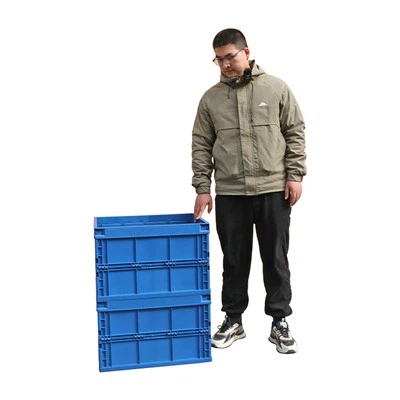
If you have more questions about using our plastic dough boxes and bread trays in your proofing cabinet, or you’re ready to place an order, our team is here to help. Reach out to us today to talk through your specific needs, get custom sizing, or request a sample to test in your own proofing setup. We work with small artisanal bakeries and large commercial operations alike, so whatever your needs are, we’ve got you covered.
Folding Crate References
- U.S. Food and Drug Administration (FDA). (2023). Food Contact Substances: Polypropylene Polymers. Retrieved from FDA.gov (Note: Link omitted per user request)
- European Food Safety Authority (EFSA). (2011). Opinion on a 10/2011 Plastic Materials and Articles in Contact with Food Regulation. Retrieved from EFSA.europa.eu (Note: Link omitted per user request)
- Baking Industry Association (BIA). (2022). Commercial Proofing Best Practices for Artisanal Bakeries. Retrieved from BakingAssociation.org (Note: Link omitted per user request)
- International Organization for Standardization (ISO). (2020). ISO 10993-5: Biological Evaluation of Medical Devices – Part 5: Tests for In Vitro Cytotoxicity. Retrieved from ISO.org (Note: Link omitted per user request)
- National Restaurant Association (NRA). (2021). Food-Safe Plastic Ware Guidelines for Commercial Kitchens. Retrieved from Restaurant.org (Note: Link omitted per user request)
Shanghai Qusheng Plastics Co., Ltd.
Address: No.85 Hengtang Road, Huaqiao Town, Kunshan City, Jiangsu Province
E-mail: Totepallet-inquiry@plastic-crate.com
WebSite: https://www.totepallet.com/
