As a long – established suspension bolts supplier, I’ve seen firsthand the crucial role these components play in various industries, from automotive to construction. While suspension bolts are designed to be durable and reliable, using worn – out ones can bring about a multitude of potential risks that are often underestimated. In this blog, I’ll delve into those risks and why choosing high – quality, well – maintained suspension bolts is of utmost importance. Suspension Bolts

1. Compromised Structural Integrity
The primary function of suspension bolts is to maintain the structural integrity of the systems they are part of. In automotive applications, for example, suspension bolts hold together the various components of the suspension system such as control arms, shock absorbers, and springs. When these bolts are worn out, they may start to lose their grip. Over time, the threads on the bolts can become stripped due to continuous stress and vibration. As a result, the connection between the suspension components is weakened.
In a vehicle, this can lead to a loose suspension. A loose suspension doesn’t just affect the ride comfort; it can be a safety hazard. The vehicle may experience a significant amount of body roll while cornering, and the handling of the car will be severely affected. The driver may find it difficult to control the vehicle, especially at higher speeds or in emergency situations.
In construction, suspension bolts are used to secure steel beams, support structures for buildings, and bridges. Worn – out suspension bolts in these settings can cause the entire structure to become unstable. The bolts may vibrate loose, leading to a gradual shift in the load – bearing paths of the structure. This can result in uneven stress distribution, which may eventually lead to structural failure. For instance, a worn – out bolt on a large bridge suspension system could cause local stresses to increase beyond the design limits of the nearby components, potentially triggering a chain reaction of failures that could bring down sections of the bridge.
2. Increased Vibration and Noise
Worn – out suspension bolts also contribute to increased vibration and noise levels. In both automotive and industrial machinery, the tight fit of suspension bolts helps dampen vibrations generated during operation. When the bolts are worn, the connection becomes less rigid, allowing components to move relative to each other more freely.
In a car, this can lead to a rattling noise that can be heard inside the vehicle. The noise is not only annoying but also an indication of a problem. As the components vibrate more, it can accelerate the wear of other nearby parts. For example, excessive vibration can cause damage to the rubber bushings in the suspension system, which are designed to absorb shocks and vibrations. When these bushings are damaged, they lose their effectiveness, further increasing the vibration and noise levels.
In industrial settings, such as factories or manufacturing plants where large machinery is used, worn – out suspension bolts on equipment can lead to excessive vibrations. These vibrations can affect the precision and accuracy of the machinery. If the machinery is involved in tasks such as precision machining or assembly, the increased vibrations can cause parts to be produced out of tolerance, leading to quality control issues and potentially costly rework or product rejects.
3. Safety Hazards for Operators and Users
One of the most significant risks of using worn – out suspension bolts is the safety hazard they pose to operators and users. In the automotive industry, a sudden failure of a worn – out suspension bolt while the vehicle is in motion can have catastrophic consequences. For example, if a bolt securing the shock absorber fails, the suspension system may collapse on one side of the vehicle. This can cause the driver to lose control of the vehicle, potentially leading to a serious accident. Passengers in the vehicle are also at risk of injury due to the sudden change in the vehicle’s dynamics.
In construction and heavy – equipment industries, workers are often in close proximity to structures and machinery held together by suspension bolts. Worn – out bolts can fail unexpectedly, causing parts of the structure or machinery to fall or malfunction. This can lead to serious injuries, including cuts, bruises, broken bones, and in the worst – case scenario, even fatalities. For example, on a construction site, if a worn – out bolt on a crane’s suspension system fails, the crane could tip over, endangering the lives of the operator and nearby workers.
4. Costly Repairs and Downtime
Using worn – out suspension bolts can result in costly repairs and downtime. In the automotive sector, if a suspension bolt fails, not only will the replacement bolt need to be purchased, but there may also be additional damage to other components of the suspension system. For example, when a bolt fails and the suspension becomes loose, it can cause damage to the control arms, ball joints, or even the wheel hub. These repairs can be expensive, especially if they involve replacing multiple parts.
In addition to the repair costs, there is also the issue of downtime. When a vehicle is in the shop for repairs, it is not available for use. For individuals, this can cause inconvenience, especially if they rely on the vehicle for daily transportation. For businesses that operate a fleet of vehicles, the downtime can have a significant impact on productivity and profitability.
In industrial settings, the cost of downtime and repairs can be even more substantial. If a large piece of machinery in a factory breaks down due to a worn – out suspension bolt, the entire production line may have to be shut down. This can result in lost production, missed deadlines, and potentially damage to the company’s reputation. The cost of replacing the worn – out bolts and any damaged components, along with the cost of getting the machinery back up and running, can be extremely high.
5. Compromised Warranty and Liability
Many manufacturers of machinery and vehicles offer warranties that cover defects in materials and workmanship. However, if it is found that worn – out suspension bolts have been used, the warranty may be voided. This means that the owner or operator of the equipment is no longer protected by the manufacturer’s warranty, and they will have to bear the full cost of any repairs or replacements.
From a liability perspective, if an accident or failure occurs due to the use of worn – out suspension bolts, the party responsible for using or maintaining the equipment may be held liable. This can result in legal costs, compensation payments to injured parties, and damage to the company’s reputation. For example, if a vehicle manufacturer discovers that a customer’s accident was caused by worn – out suspension bolts that the customer had continued to use despite visible signs of wear, the manufacturer may deny liability for the accident.
Conclusion
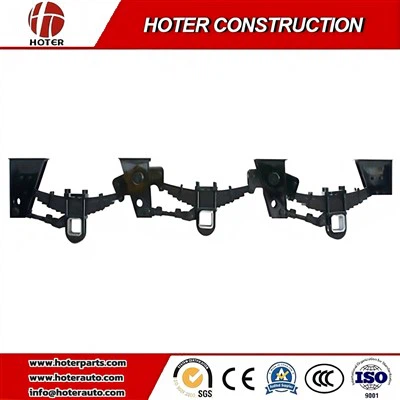
As a suspension bolt supplier, I understand the importance of using high – quality, well – maintained suspension bolts. The potential risks of using worn – out suspension bolts, including compromised structural integrity, increased vibration and noise, safety hazards, costly repairs and downtime, and compromised warranty and liability, are too significant to ignore.
America Suspension Regular inspection and replacement of suspension bolts are essential to ensure the safety and reliability of the systems they are part of. If you’re in need of high – quality suspension bolts, we’re here to help. Our team of experts can assist you in selecting the right bolts for your specific application, ensuring that you get a product that meets the highest standards of quality and performance. Don’t hesitate to reach out to us to start a discussion about your suspension bolt needs. Our experienced sales representatives are ready to answer your questions and provide you with detailed product information. Contact us today to begin the procurement process and safeguard your operations from the risks associated with worn – out suspension bolts.
References
- "Automotive Suspension Handbook" by Richard Stone
- "Structural Steel Design: A Practice – Oriented Approach" by A. R. S. Kameswara Rao
- Industry – specific standards and guidelines from relevant engineering institutions such as the American Society of Mechanical Engineers (ASME) and the Society of Automotive Engineers (SAE)
Zhangzhou Hoter Construction Machinery and Parts Co., Ltd.
Address: No. 3/4-41, Ziwei Road, Longhai, Zhangzhou city, Fujian province, China
E-mail: info@hoterparts.com
WebSite: https://www.hoterparts.com/
