Can custom castings be galvanized? Well, I’ve been in the custom castings game for a long time, and this is a question I get asked a lot. As a custom castings supplier, I’m here to break it down for you. Custom Castings

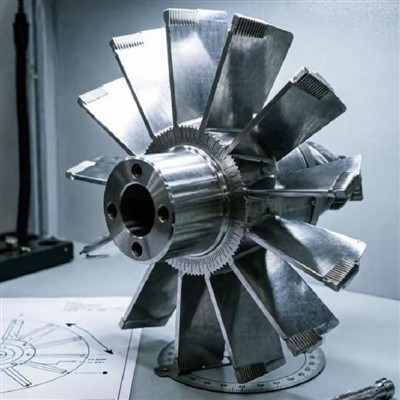
First off, let’s talk about what custom castings are. Custom castings are basically parts that are made by pouring molten metal into a mold. The mold can be designed to create just about any shape you need, which makes custom castings super versatile. They’re used in all sorts of industries, from automotive to aerospace.
Now, let’s get to the main question: can they be galvanized? The short answer is yes, most custom castings can be galvanized. Galvanizing is the process of applying a protective zinc coating to steel or iron to prevent rusting. It’s a tried – and – true method that’s been around for ages.
There are two main types of galvanizing: hot – dip galvanizing and electro – galvanizing. Hot – dip galvanizing is the more common method. In this process, the custom casting is dipped into a bath of molten zinc at a temperature of around 450°C. The zinc reacts with the iron in the casting to form a series of zinc – iron alloy layers. These layers are not only tough but also provide excellent protection against corrosion.
Electro – galvanizing, on the other hand, uses an electric current to deposit a layer of zinc onto the surface of the casting. This method usually results in a thinner zinc coating compared to hot – dip galvanizing. It’s often used when a more precise and aesthetically pleasing finish is required.
But not all custom castings are created equal when it comes to galvanizing. The material of the casting plays a big role. For example, if the custom casting is made of a high – alloy steel or a non – ferrous metal like aluminum or copper, galvanizing might not be the best option. Zinc doesn’t react well with these materials, so the coating might not adhere properly or provide the desired level of protection.
The design of the casting is also important. Castings with complex shapes, deep recesses, or very small holes can pose challenges during the galvanizing process. In hot – dip galvanizing, for instance, air or gas can get trapped in these areas, preventing the zinc from covering the surface evenly. This can lead to spots where the casting is not properly protected.
Another factor to consider is the surface condition of the casting before galvanizing. If the casting has a lot of scale, rust, or other contaminants on its surface, the zinc coating won’t bond well. That’s why it’s crucial to clean the casting thoroughly before sending it for galvanizing. This can involve processes like sandblasting or chemical cleaning.
Now, let’s talk about the benefits of galvanizing custom castings. One of the biggest advantages is corrosion resistance. Zinc acts as a sacrificial anode, which means it corrodes before the iron or steel in the casting. This can significantly extend the lifespan of the casting, especially in harsh environments.
Galvanized custom castings are also relatively low – maintenance. Once they’re galvanized, they don’t need to be painted or coated regularly to prevent rust. This can save a lot of time and money in the long run.
In terms of aesthetics, galvanized castings have a distinctive, silver – gray appearance that can be quite appealing. They can add a touch of industrial charm to a product or project.
However, there are also some drawbacks to galvanizing custom castings. Cost is one of them. The galvanizing process can be expensive, especially if you’re dealing with large or complex castings. There are also environmental concerns associated with some galvanizing methods. For example, hot – dip galvanizing produces waste products like zinc dross and sludge, which need to be properly managed.
As a custom castings supplier, I’ve worked with many customers who have chosen to galvanize their castings. In one case, a customer in the construction industry needed custom – made steel brackets for a bridge project. They wanted the brackets to be durable and resistant to the elements. We recommended hot – dip galvanizing, and the results were great. The brackets have been in use for several years now, and there’s still no sign of rust or corrosion.
In another instance, a customer in the automotive industry needed small, precision – made castings for a new engine design. They were looking for a more aesthetically pleasing finish, so we suggested electro – galvanizing. The castings came out looking smooth and shiny, and they met the customer’s requirements perfectly.
So, if you’re thinking about galvanizing your custom castings, here are a few tips. First, choose the right galvanizing method based on your specific needs. If you need maximum corrosion resistance, hot – dip galvanizing is probably the way to go. If you’re more concerned with appearance and precision, electro – galvanizing might be a better option.
Second, make sure your casting is designed and prepared properly. Work with your casting supplier to ensure that the shape and surface condition of the casting are suitable for galvanizing.
Finally, consider the cost and environmental impact. Talk to your galvanizing provider about ways to reduce costs and minimize waste.
If you’re in the market for custom castings and are interested in the possibility of galvanizing them, I’d love to have a chat with you. We’ve got the expertise and experience to help you make the right choices. Whether you need a small batch of custom castings or a large – scale production run, we can work with you to get the job done. Just reach out and let’s start the conversation.
Stainless Steel Fittings References
- "Galvanizing Handbook" by various experts in the field of metallurgy.
- Industry case studies on galvanizing of custom castings from trade magazines and research papers.
Shandong Shunye Stainless Steel Co., Ltd.
Address: Shandong Province, Binzhou City, Wudi County, Liubao Town, Zhangdong Road, Duliucun Village
E-mail: sales@wdshunye.com
WebSite: https://www.shunyecasting.com/
